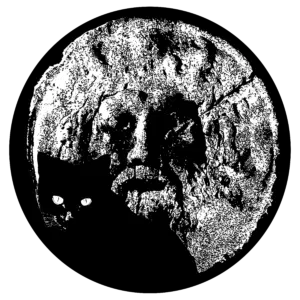
Cities of
Lost Memory
A museum-scale encounter
At Teloglion, the project became more than a sequence of drawings on walls. It became a place for looking, questioning, turning an image, drawing together and arguing with history.
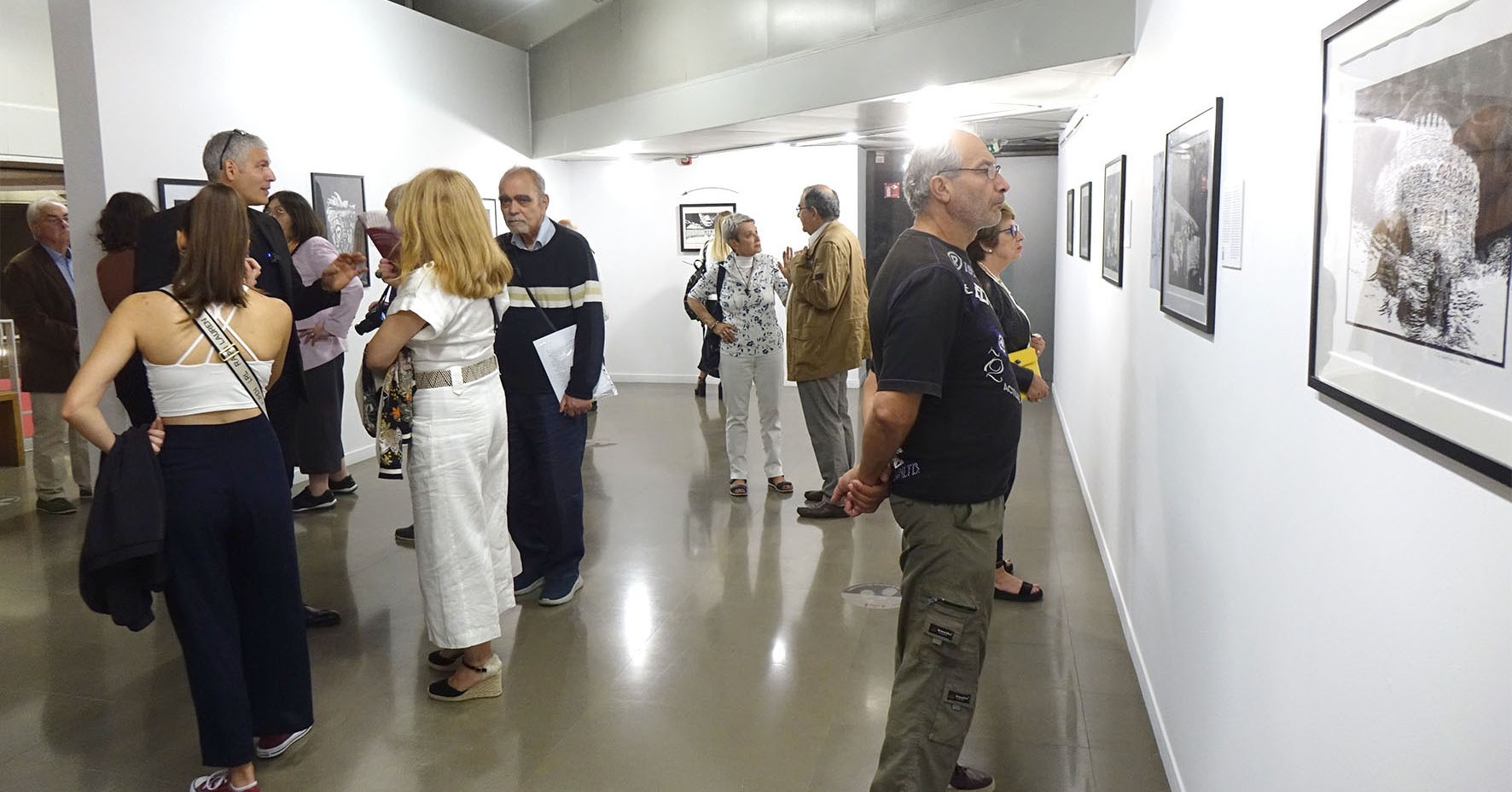
Twenty-three works were shown for a month at the Teloglion Fine Arts Foundation in Thessaloniki. The exhibition brought together original drawings and lithographic editions from Cities of Lost Memory, a project built around places where the visible present sits over difficult, contested or partially erased histories.
The museum presentation gave the works room to operate collectively. Visitors moved from city to city and from subject to subject, while talks, school visits and conversations added another layer: memory was not only represented in the drawings, but discussed in front of them.
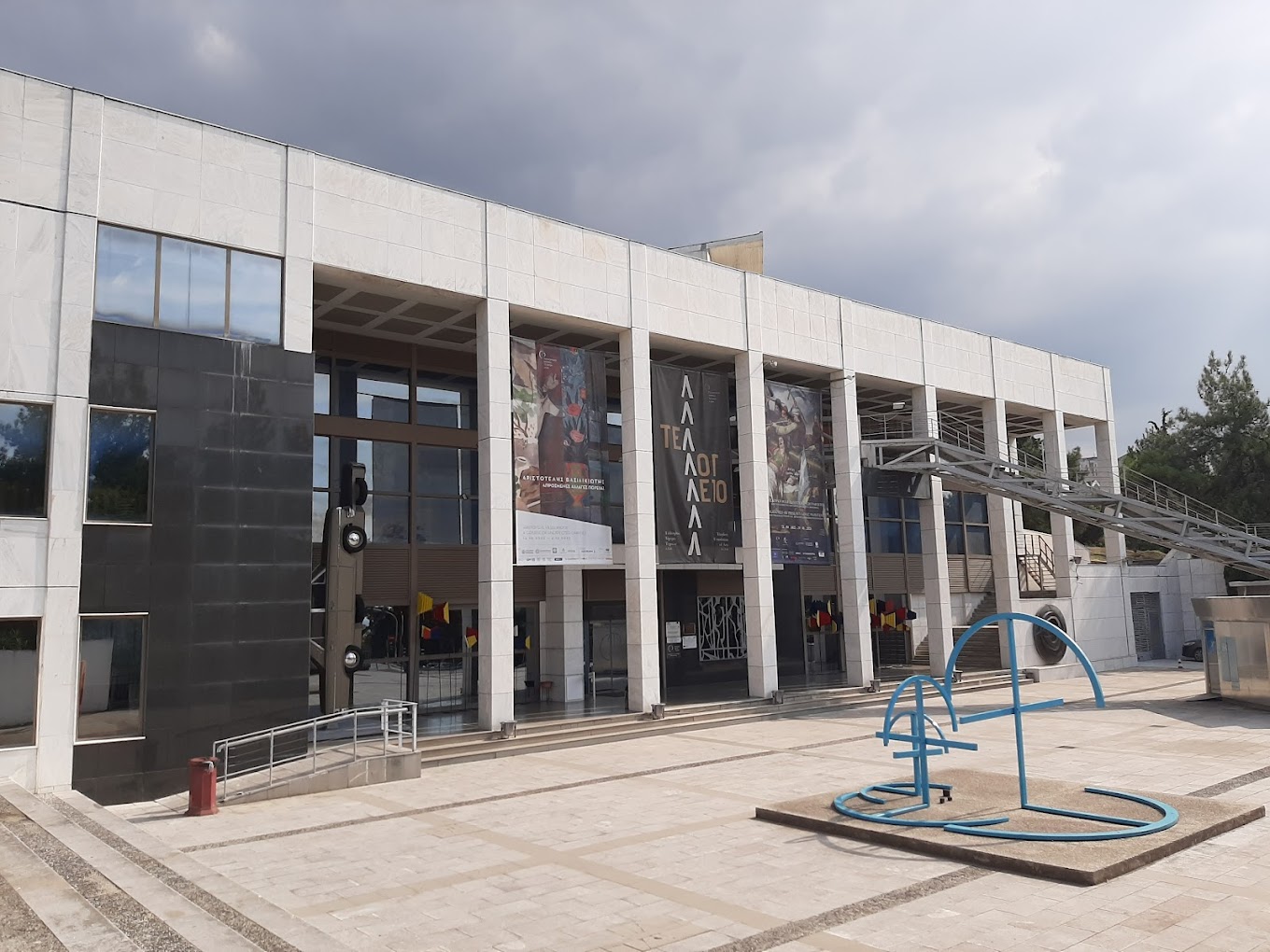
From the façade to the third floor
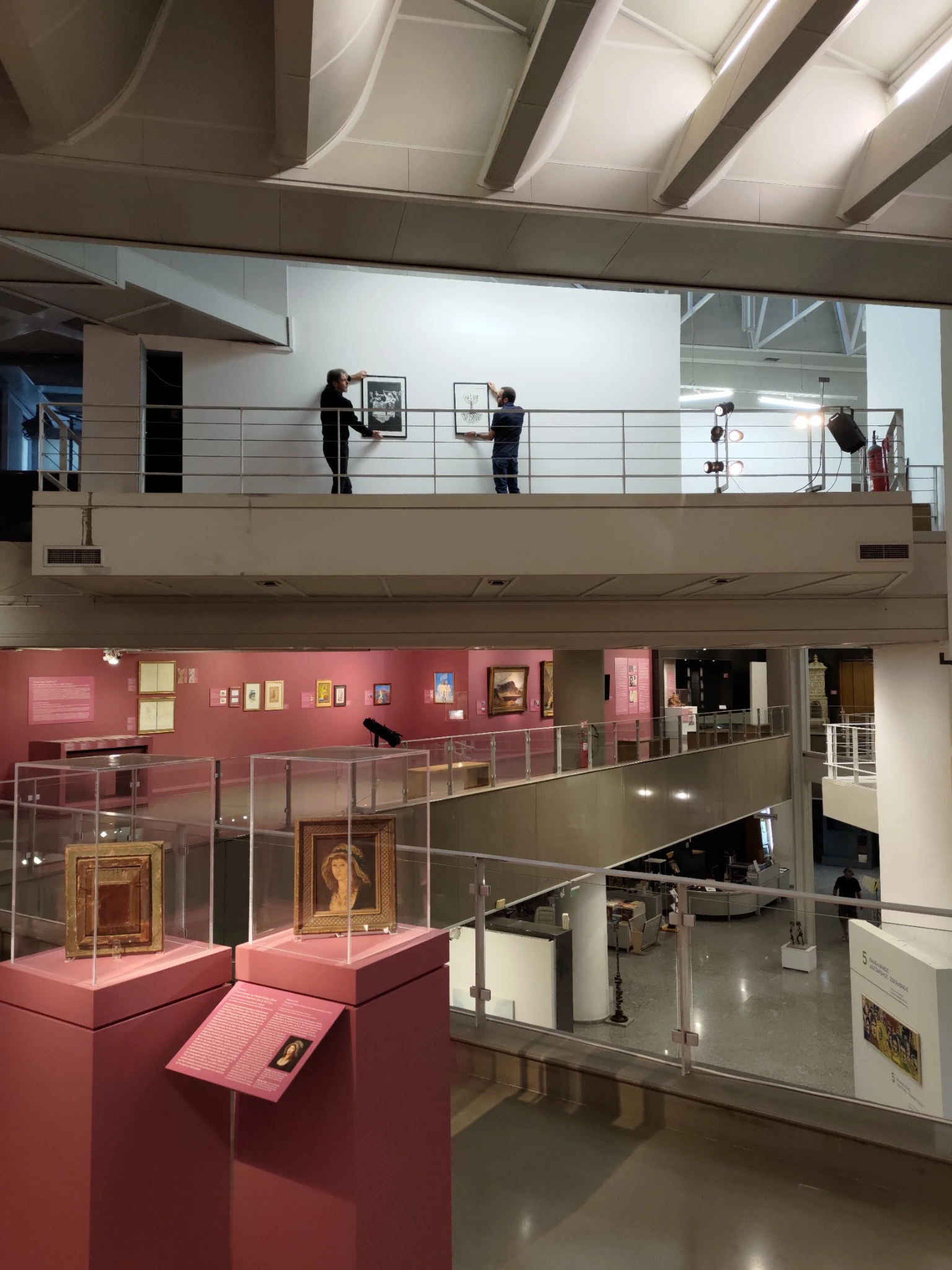
Teloglion is a large, multi-level museum. Cities of Lost Memory occupied the upper gallery, suspended above the central interior volume. The scale of the building changed the experience of the drawings: a project first conceived sheet by sheet became an exhibition encountered architecturally, across distance, height and movement.
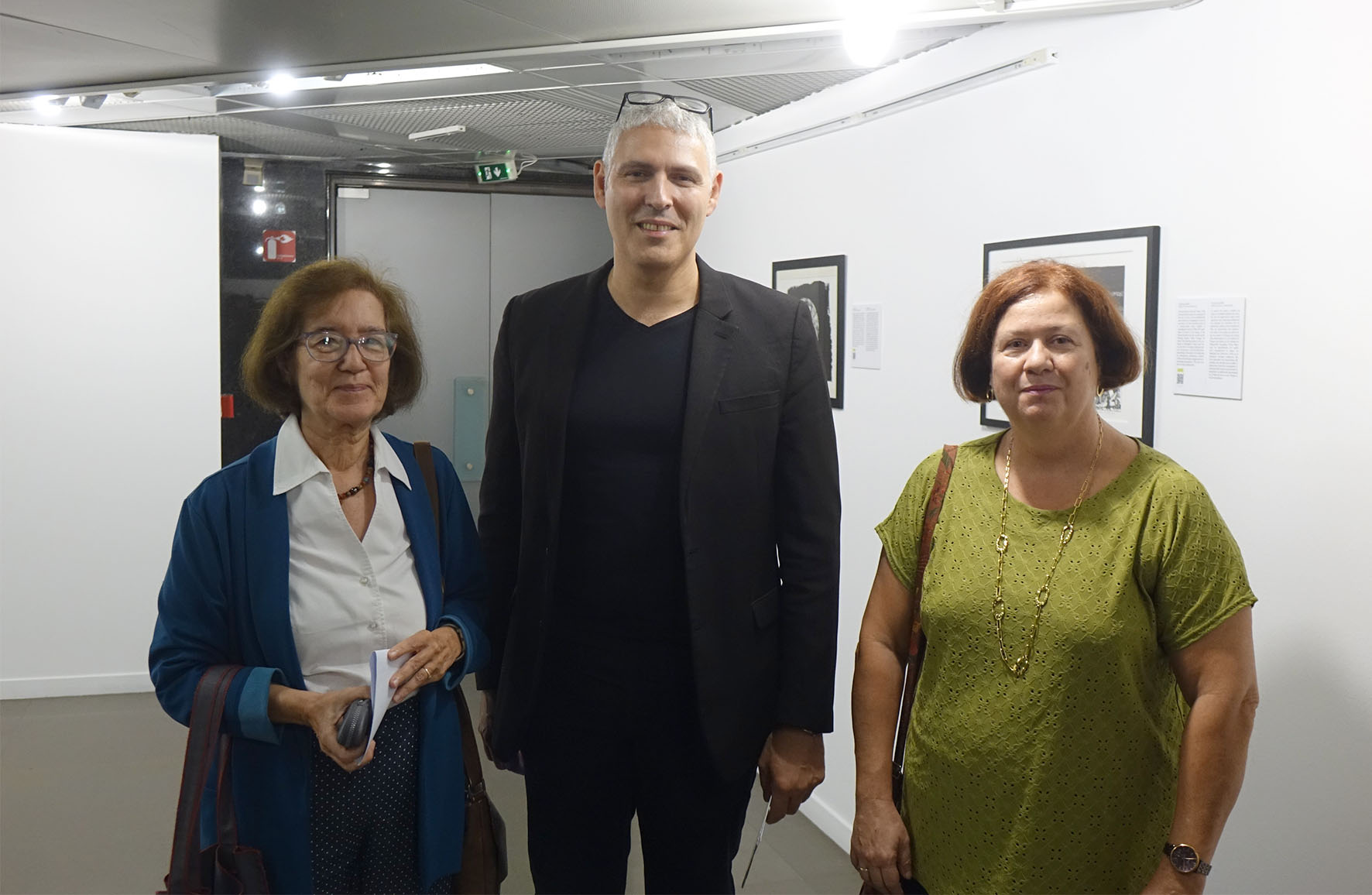
With the museum
The exhibition was developed in close collaboration with the Teloglion team, from the installation of the works to the public and educational programme.
Dr Alexandra Voutyra, Director of the Teloglion Fine Arts Foundation, supported the presentation of the project within the museum and its encounter with different audiences.
Alexandre Mitchell with Dr Alexandra Voutyra, Director of the Teloglion Fine Arts Foundation.
Miroir de sanglots
The drawing is built around inversion and reflection. At Teloglion that idea became physical: the display could be rotated through 180 degrees, making the visitor perform the change of viewpoint rather than merely read about it.
The mechanism transformed an interpretative detail into an action. It is one of the clearest examples of the museum not simply receiving the project, but actively extending it.
Ten days, dozens of classes
During the final ten days of the exhibition, Alexandre Mitchell met dozens of school classes, from children of around eight to teenagers of eighteen.
The visits developed into repeated conversations around the works: questions about the histories represented, the choices involved in translating them into images, and the relationship between memory, place and visual interpretation.
Some groups also took part in drawing activities with the Teloglion education team, turning the visit into an active response to the exhibition rather than a conventional guided tour.
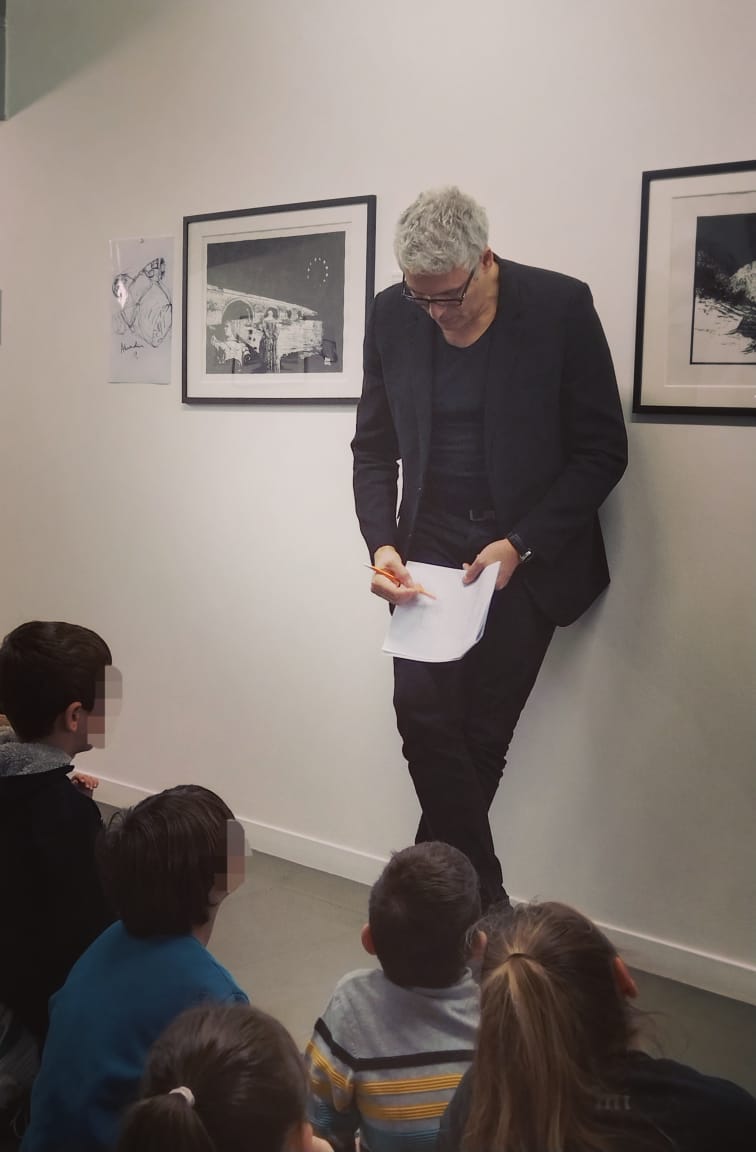
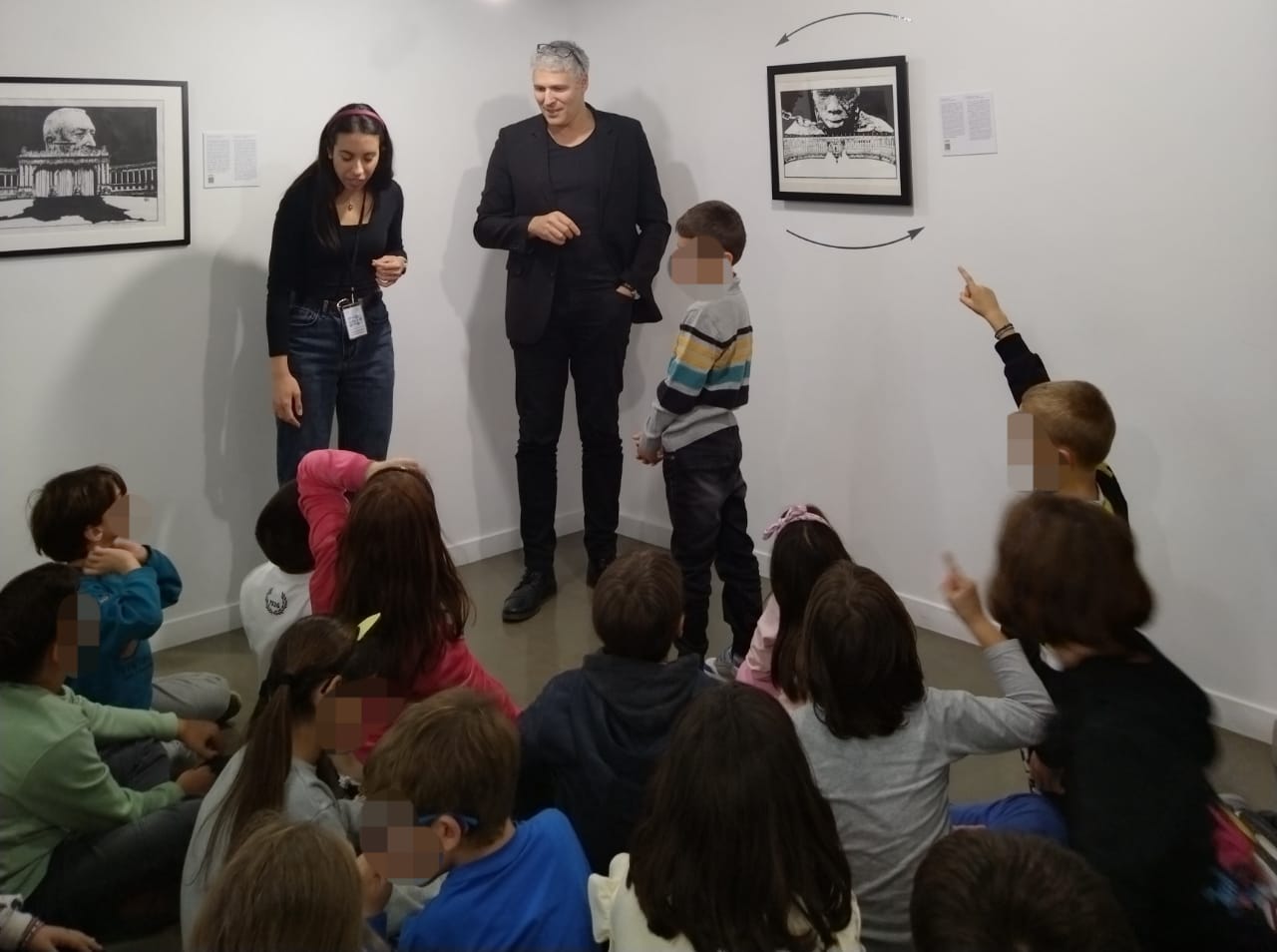
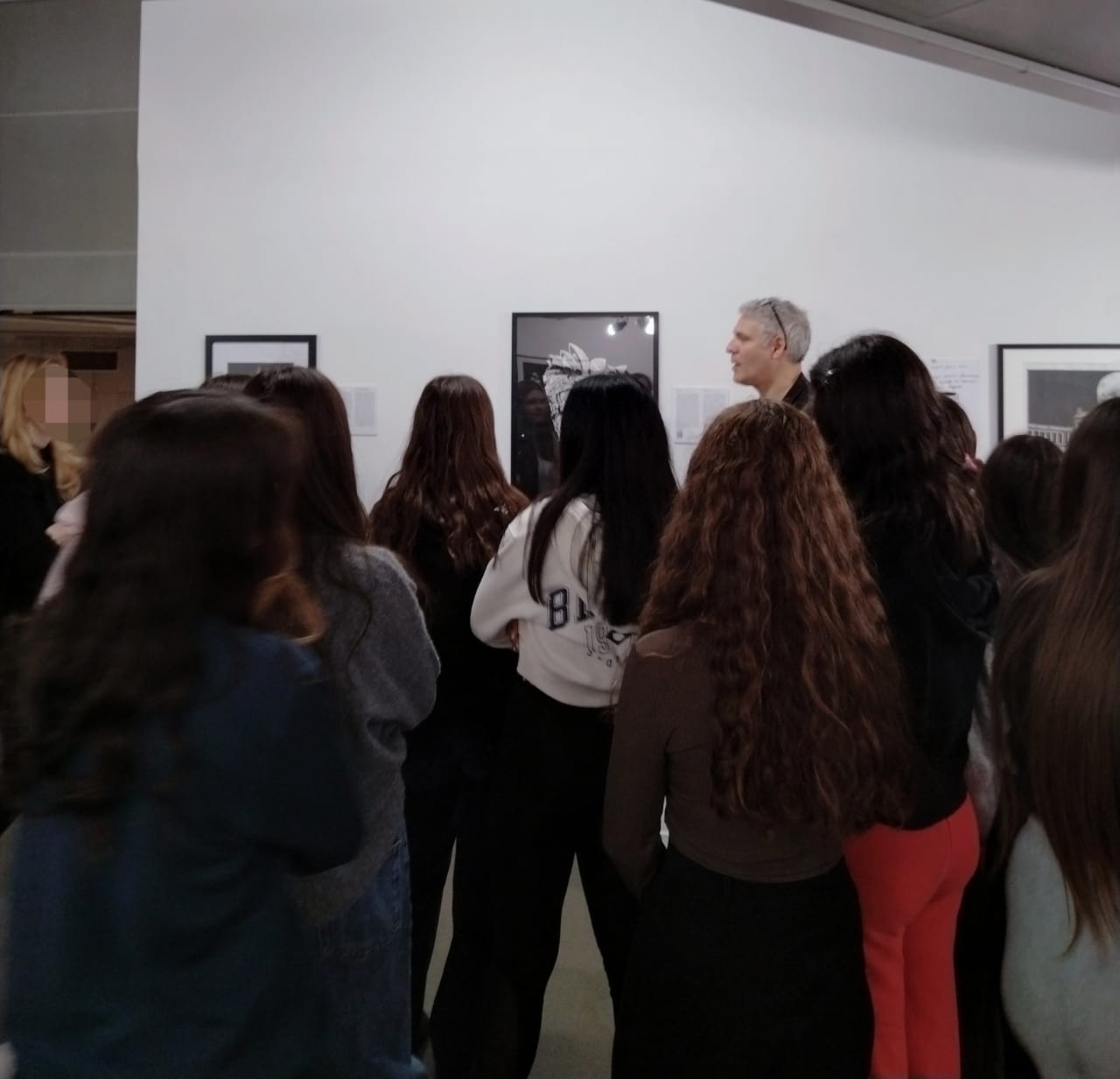
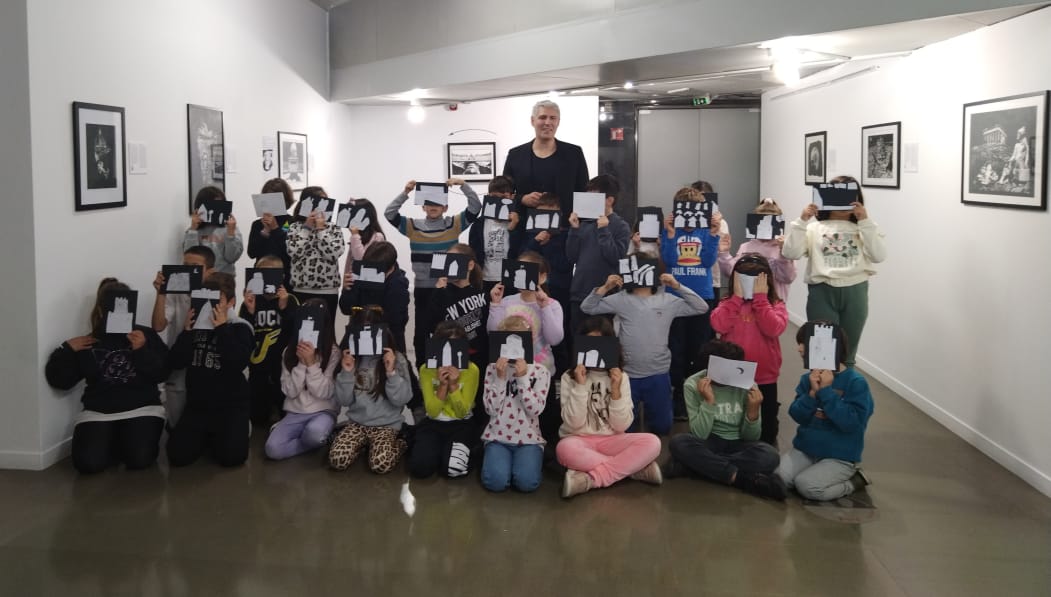
The educational programme became one of the most intensive parts of the exhibition: not a single school visit, but a sustained sequence of encounters with classes across a broad age range.
Walk through the exhibition
A short video preserves something still photography cannot: the rhythm of the galleries, the changing scale of the works, and the way visitors encountered them in sequence.
A closing conversation with Anastasios Karababas
On 10 November, the final day of the exhibition, Alexandre Mitchell and historian Anastasios Karababas led a public discussion on the relationship between art and history.
The event made explicit a principle that runs through the project: the drawings do not attempt to settle the histories they address. They create a visual proposition and leave room for discussion, disagreement, recollection and new information to enter.
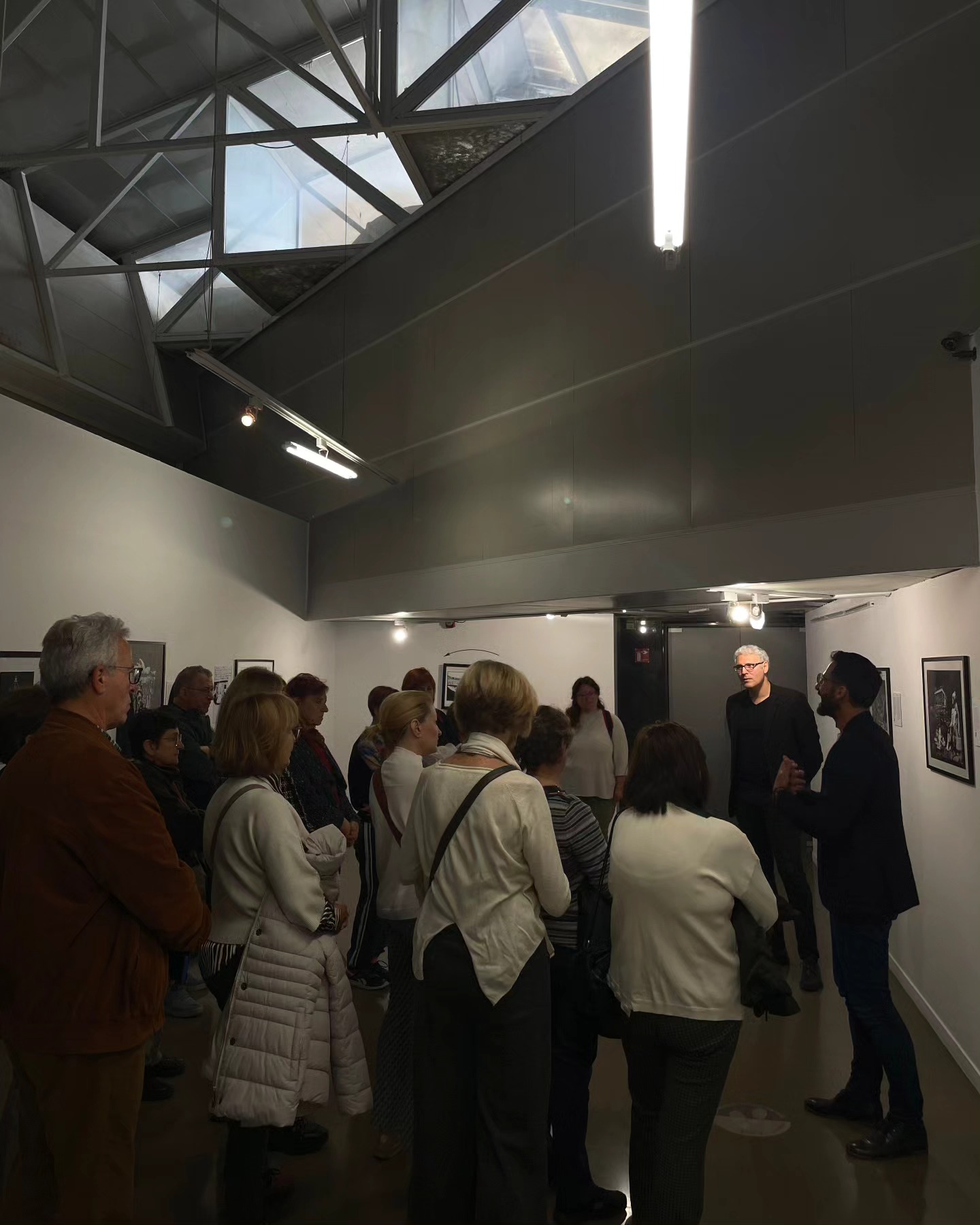
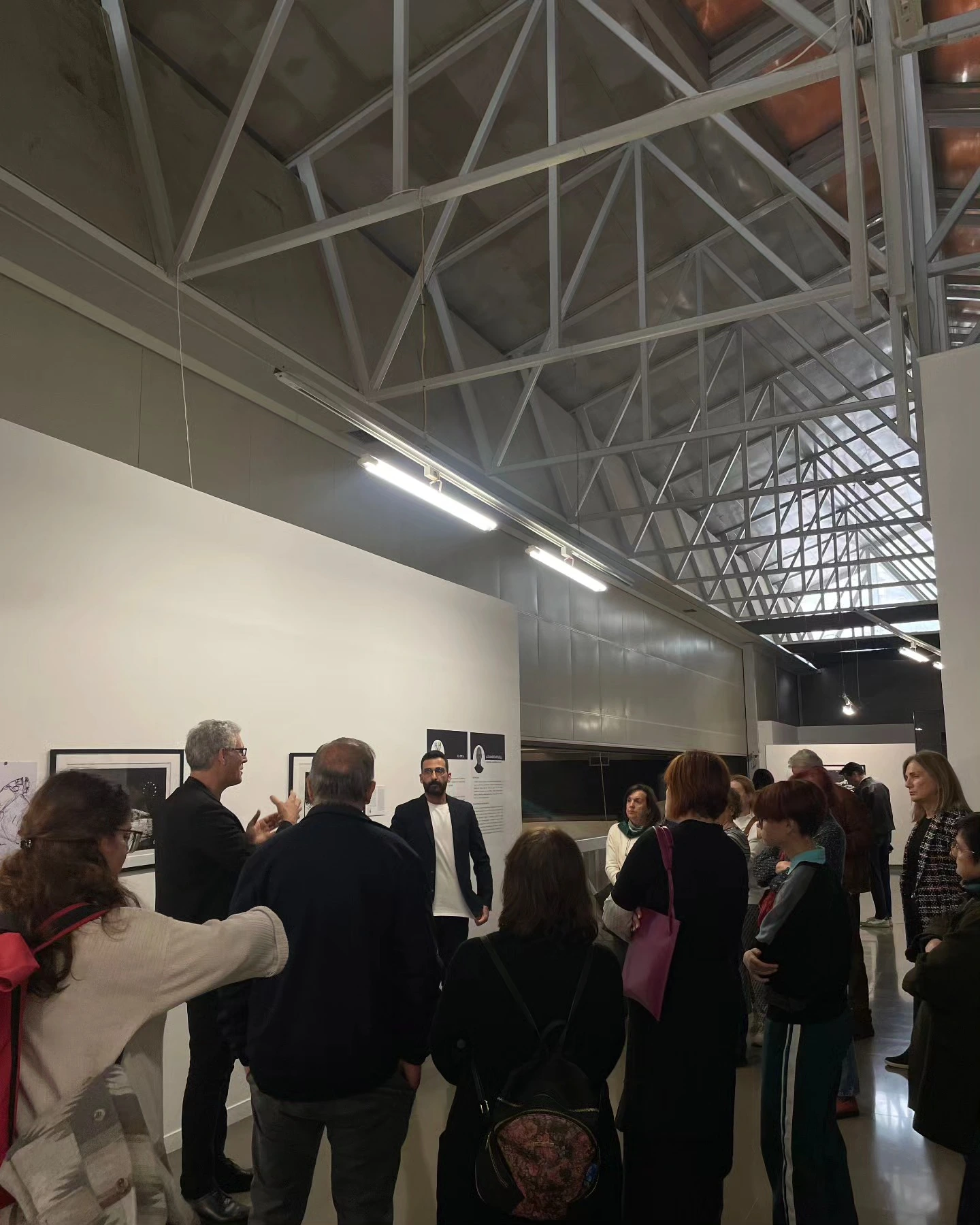
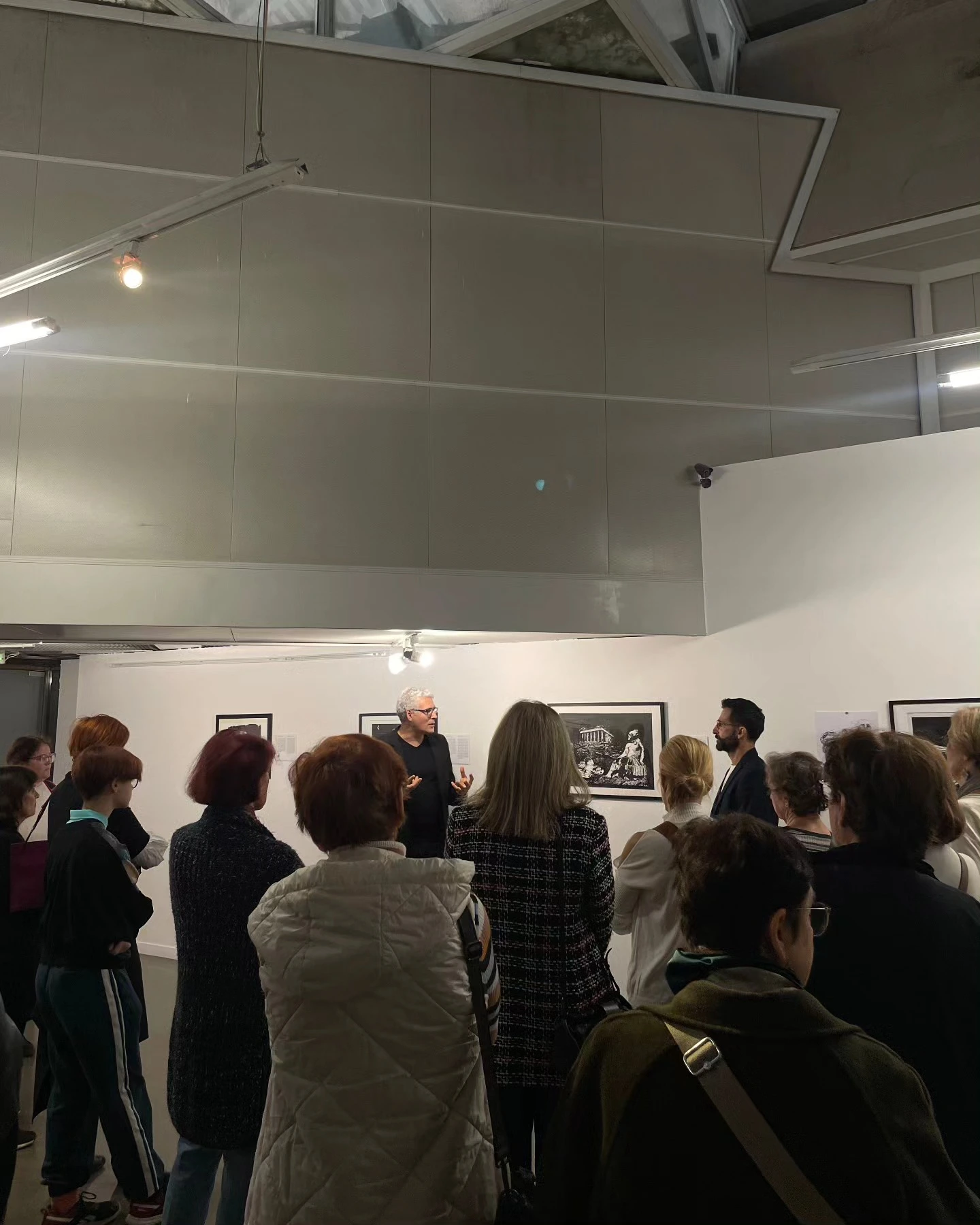
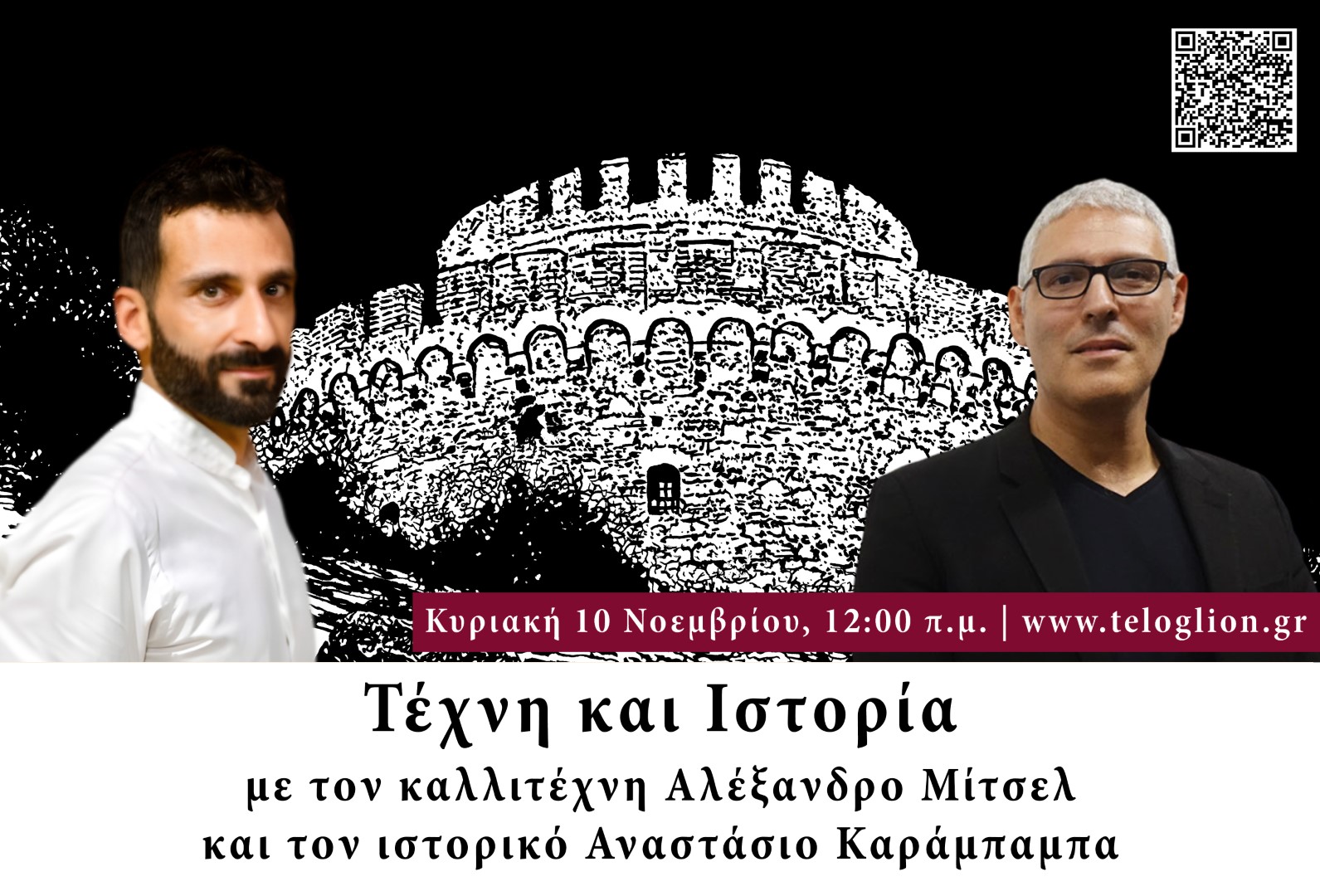
The museum advertised the event as Art and History, bringing the artist and historian together inside the exhibition itself rather than separating the scholarly discussion from the works on the walls.
23 works on show
The Teloglion checklist records the object actually shown for each work. The exhibition combined original drawings with selected lithographic editions.