Exhibitions
The same works have behaved very differently in a museum, a cultural salon, a community centre and the European Parliament.
Each presentation has created a different way of encountering Cities of Lost Memory: museum-scale installation, dialogue with archaeological objects, dinners among the drawings, school visits, public debate and concentrated institutional presentations.
Five presentations, five different contexts
Rather than repeat one exhibition format, each venue changed the relation between the drawings, the room and the public.
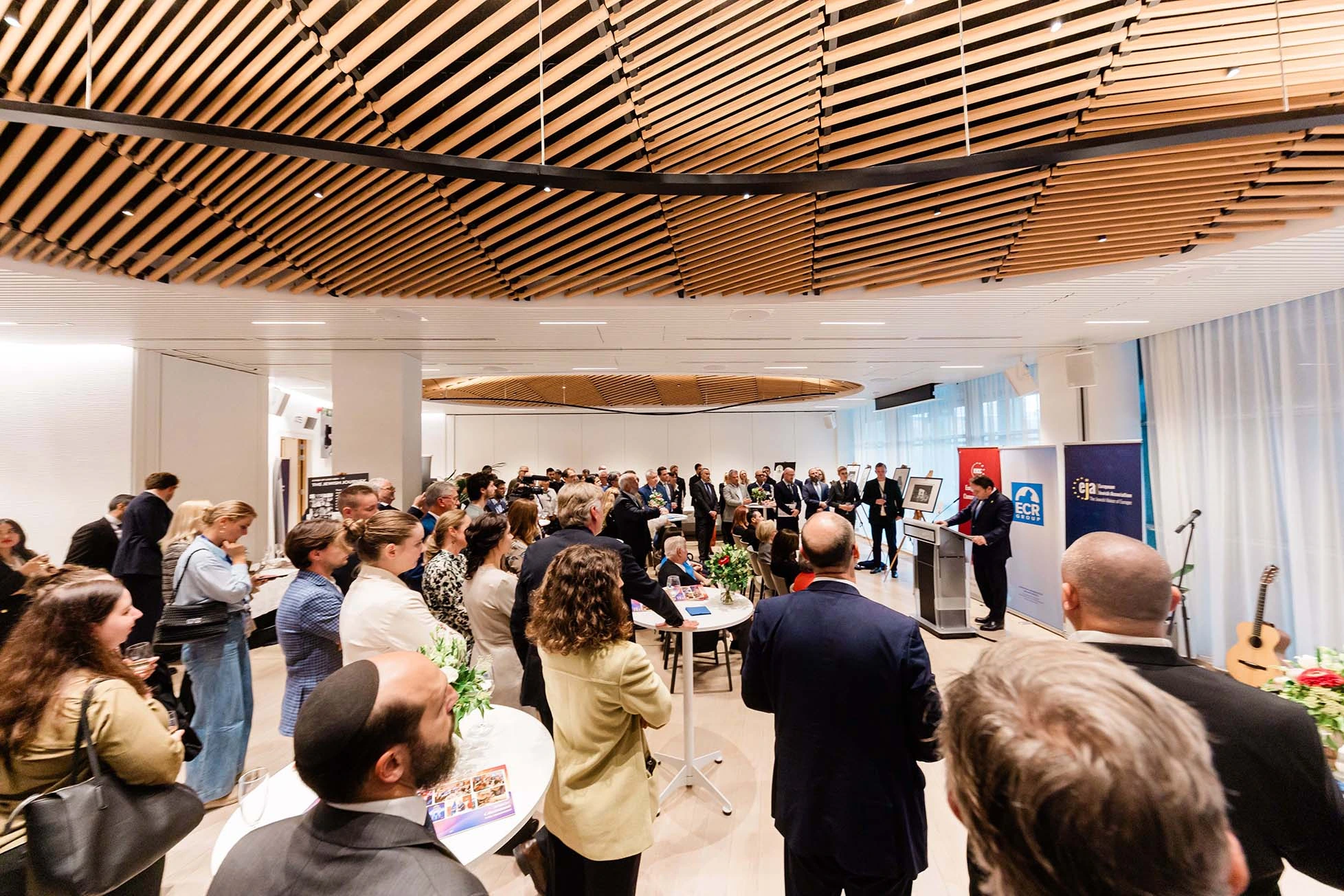
Remembering the Jewish Journey
Eight lithographs in the Members’ Salon for one evening: opening address, close viewing, conversation and music.
Open exhibition →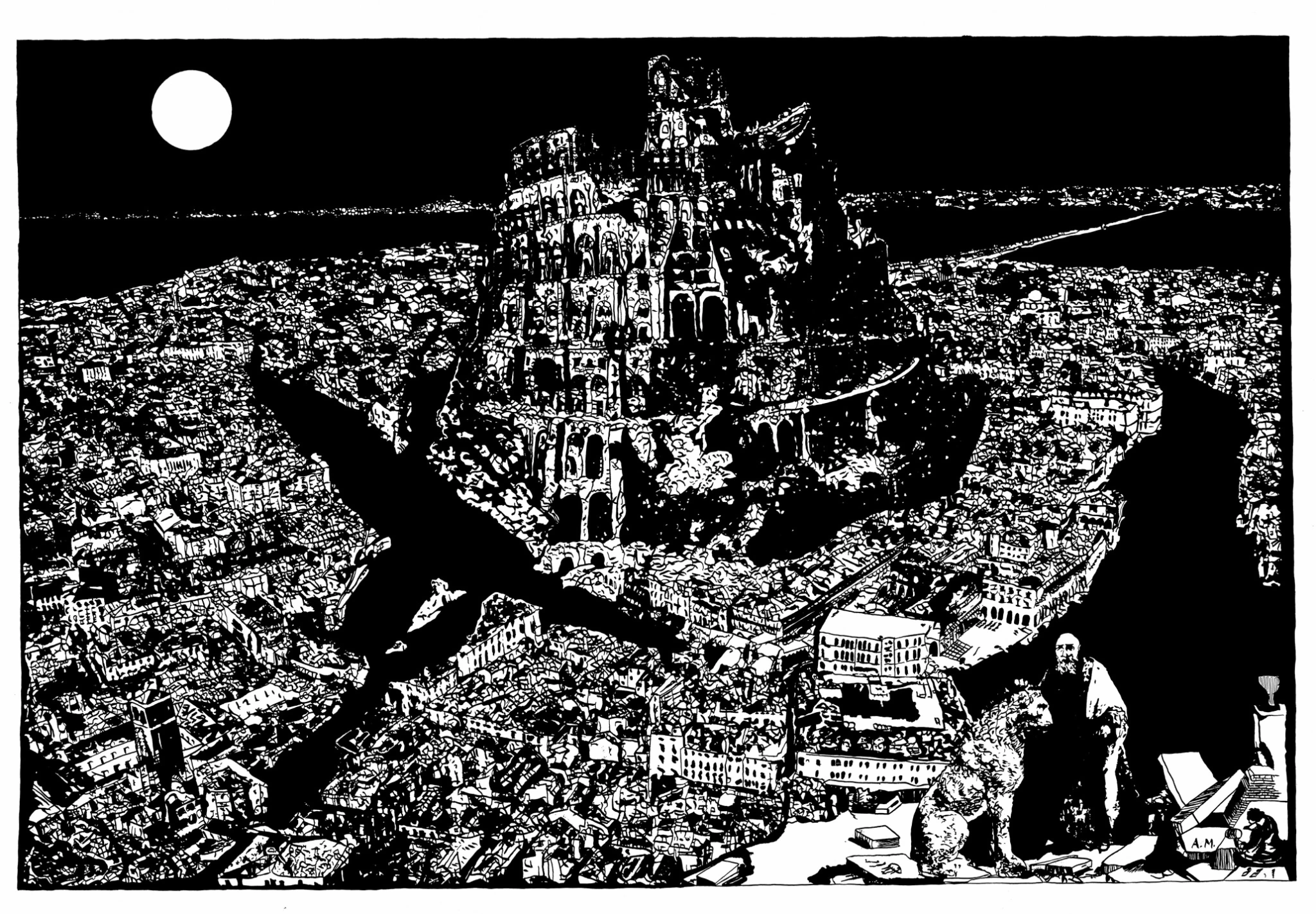
Dreaming of Antiquity
Twelve lithographs placed in dialogue with artefacts from the museum collection, accompanied by lectures and guided visits.
Open exhibition →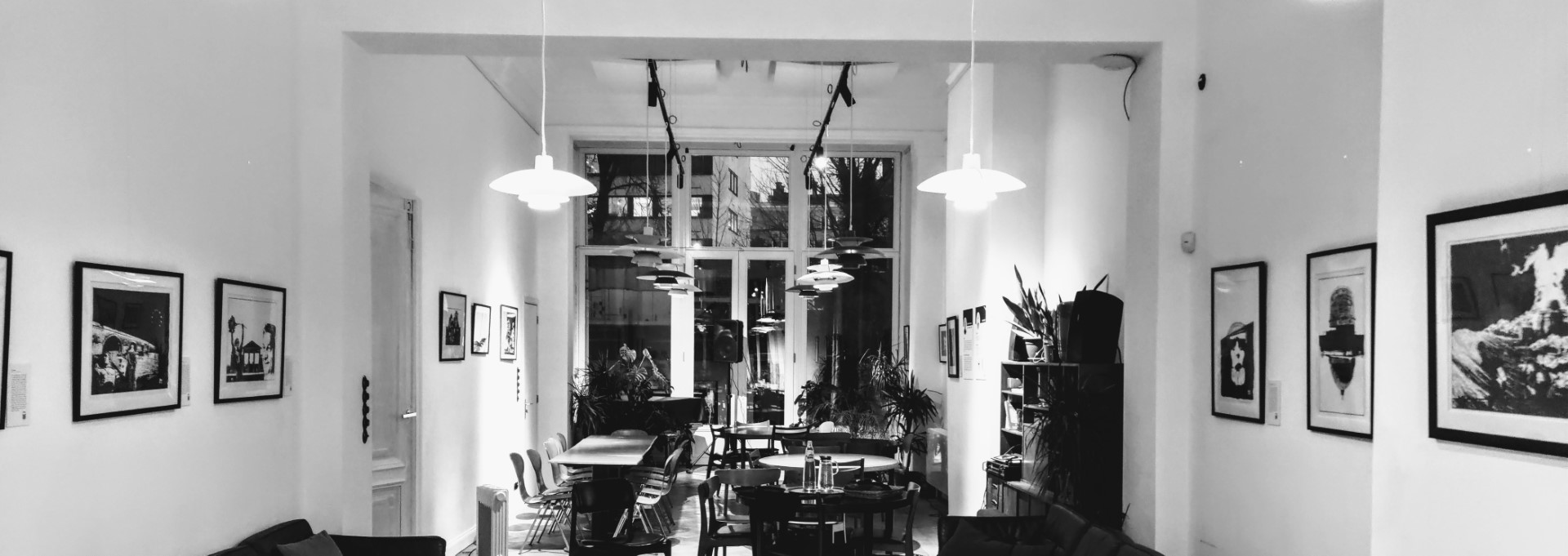
Cities of Lost Memory
Twenty-one works in a cultural space where exhibitions, CreativeMornings, Art Suppers and conversation shared the same rooms.
Open exhibition →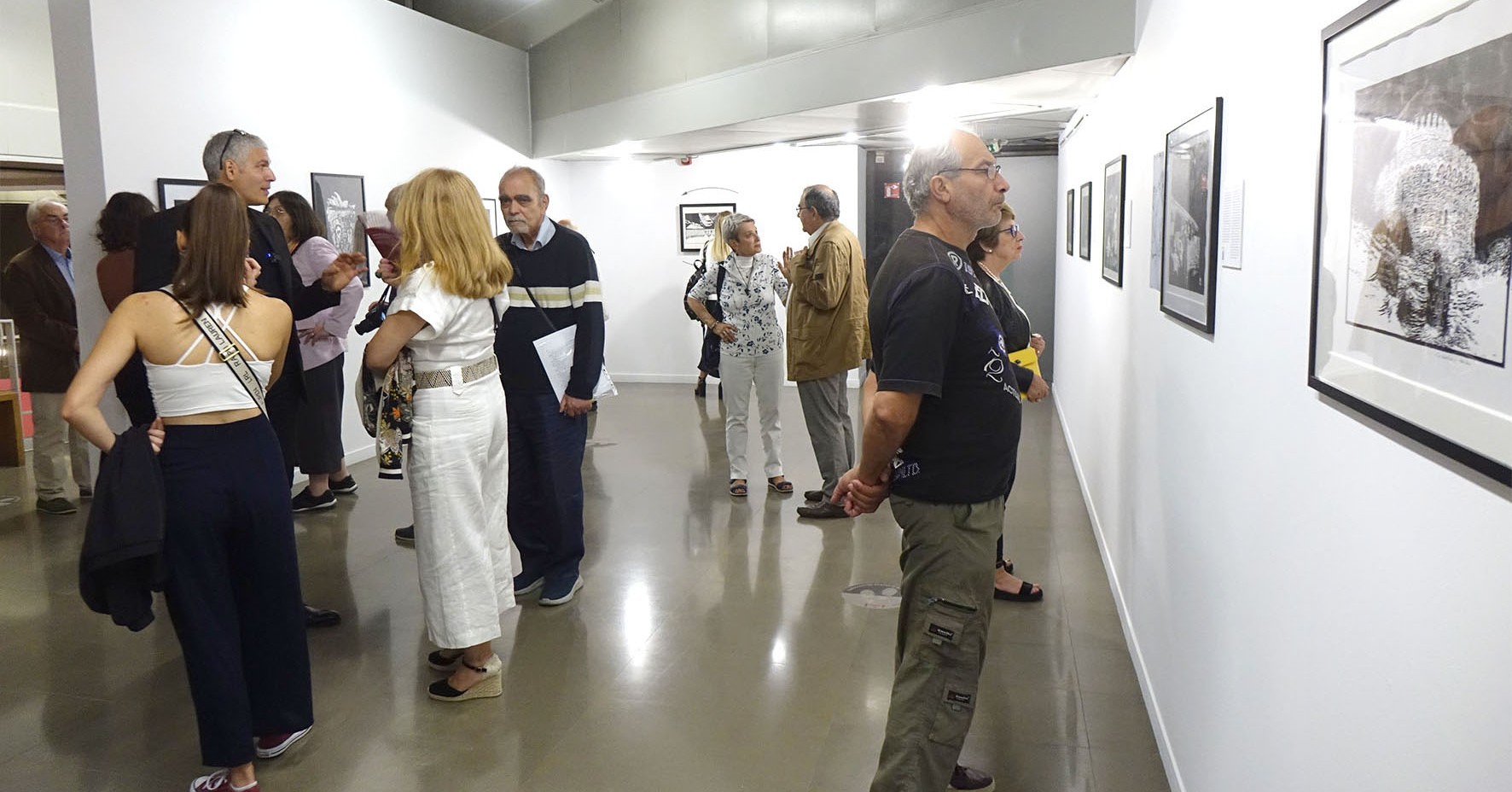
Cities of Lost Memory
The project expanded to museum scale, with twenty-three works, educational programming and a museum-designed rotating display.
Open exhibition →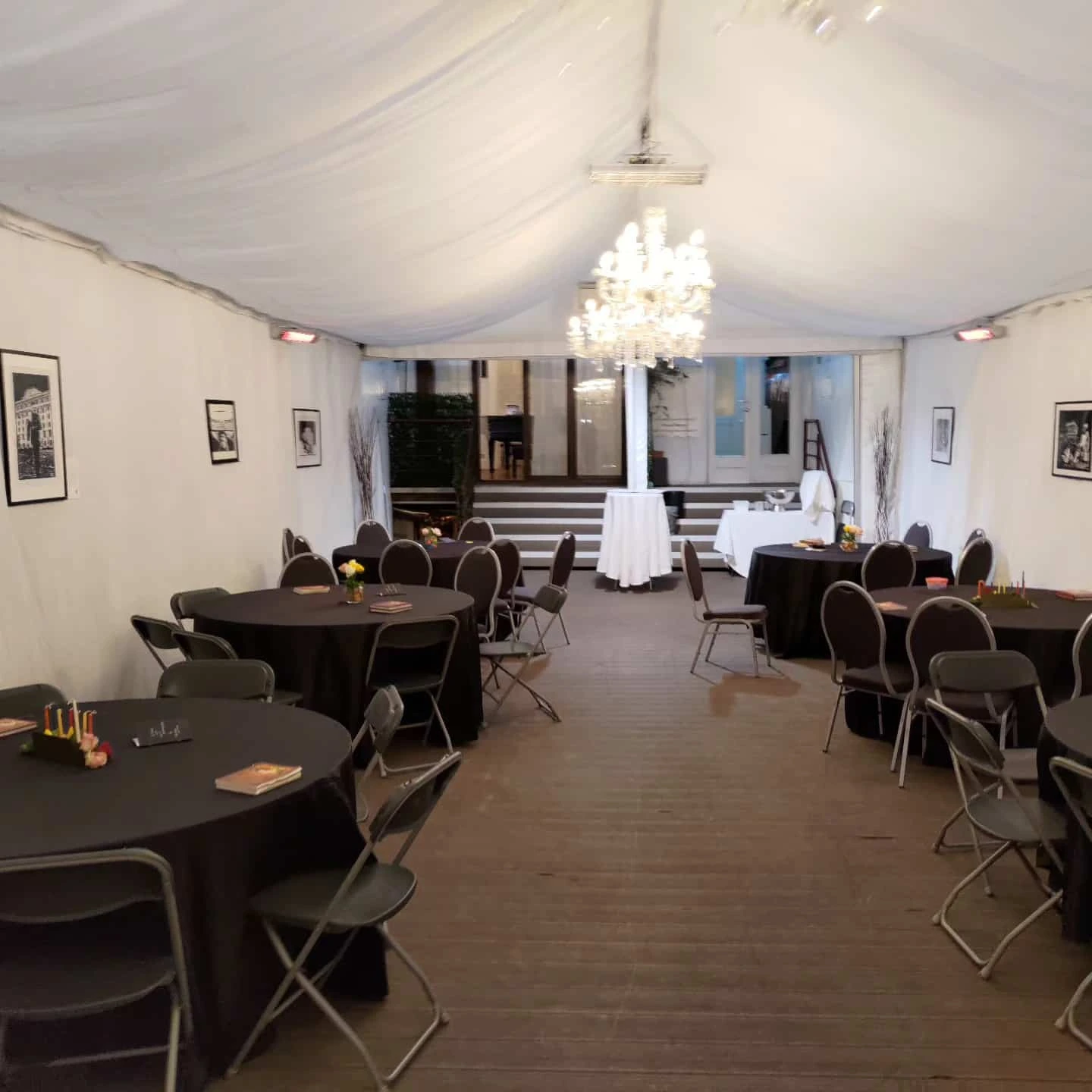
European Jewish Community Centre
Twelve works in an intimate community setting, including an unexpected moment of living memory around the Arnhem drawing.
Open exhibition →The exhibition is part of the work
Cities of Lost Memory changes when its context changes. A museum can create physical interaction with a drawing; a collection can place an image beside an ancient object; a dinner can turn a work into a conversation; a school visit can generate questions that were never part of the original composition.