Mary 2.0
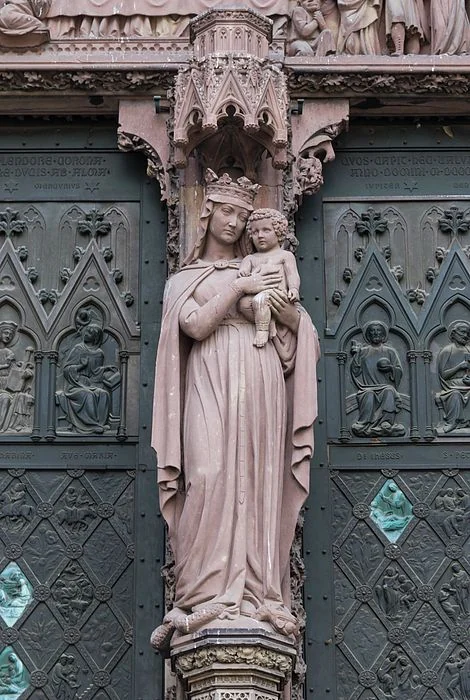
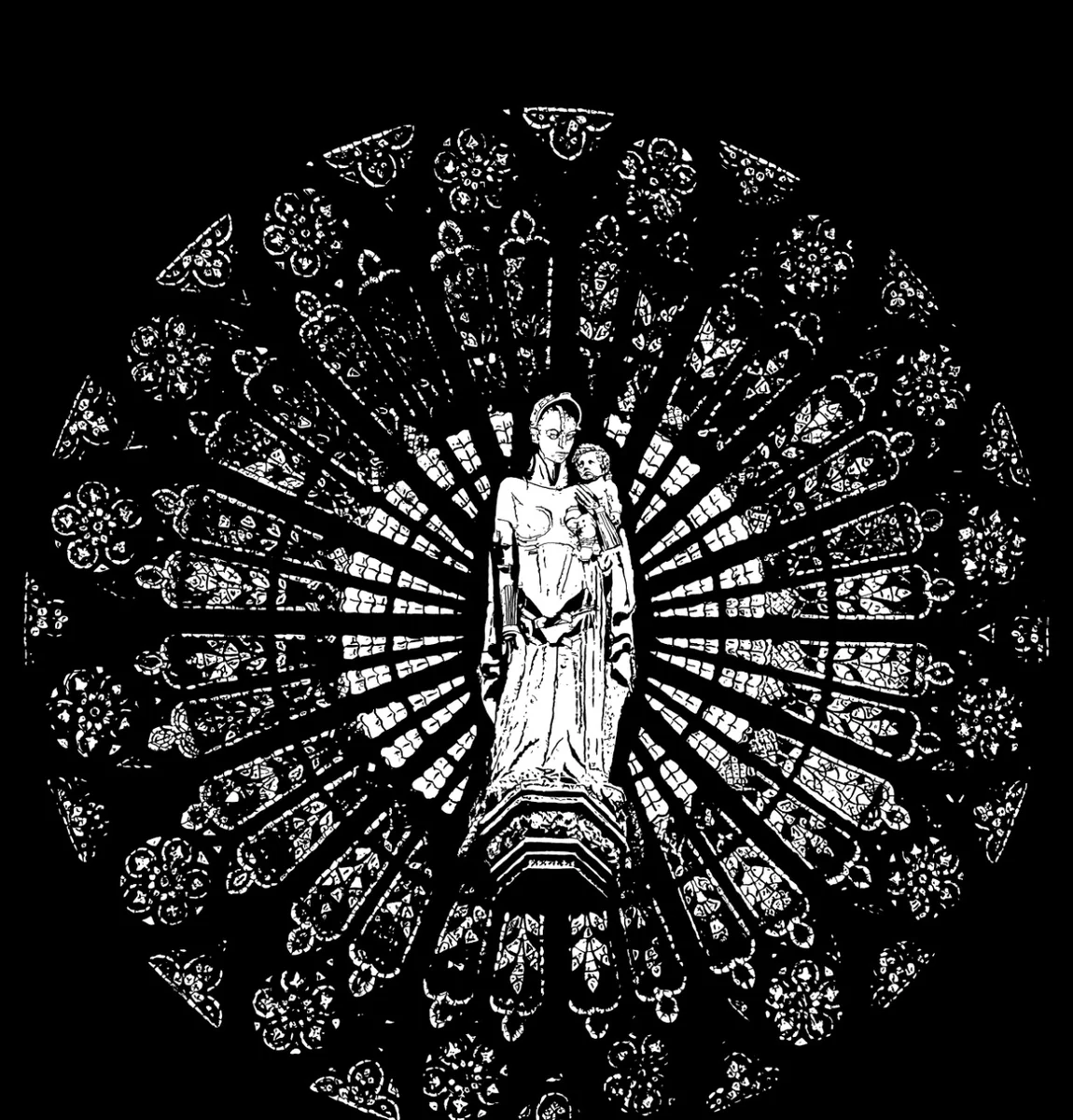
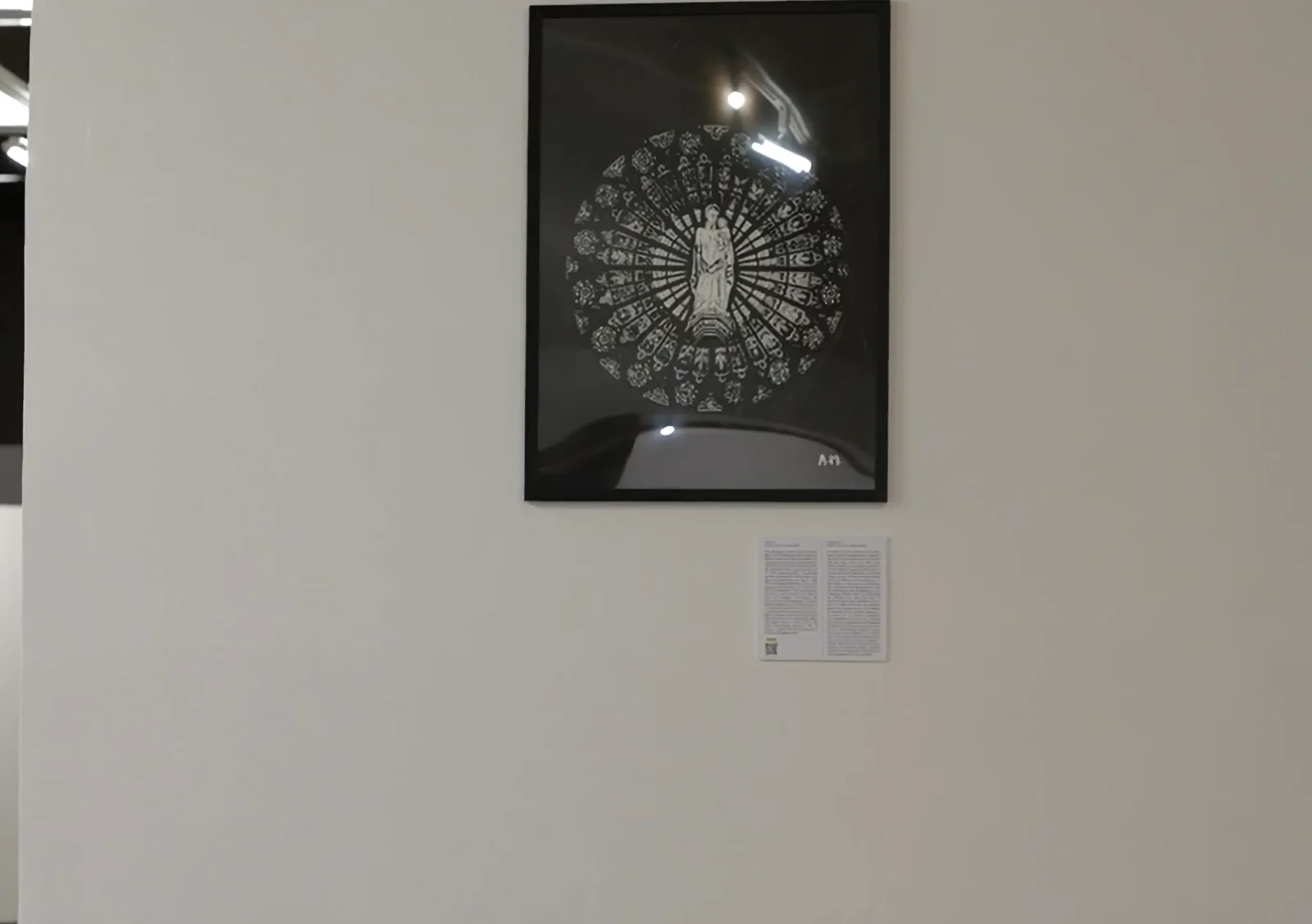
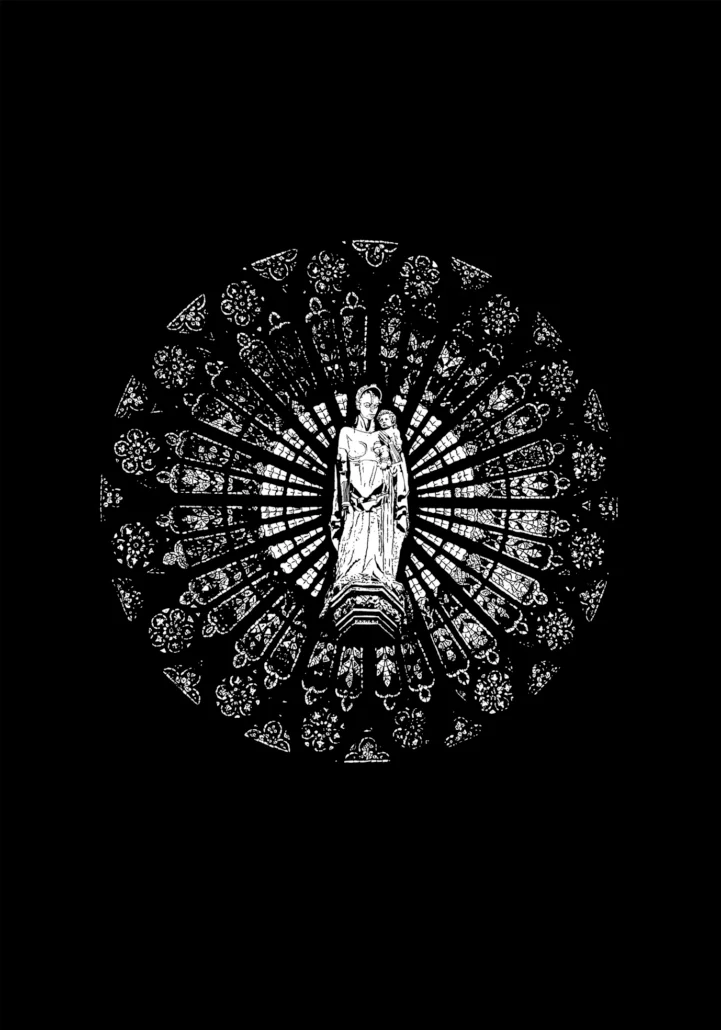
A medieval Virgin and Child stands inside the rose of Strasbourg Cathedral. Behind that familiar sacred image lies another history: Gutenberg, print, religious rupture — and the question of what artificial intelligence may do to systems of belief next.
Eight years in Strasbourg, one image that took much longer
Strasbourg was not a city I encountered once as a visitor. I spent eight years there during my first studies, and the cathedral, its sculpture, its rose window and the city’s printing history stayed with me long after I left.
Read more
Eight years in Strasbourg, one image that took much longer
Strasbourg was not a city I encountered once as a visitor. I spent eight years there during my first studies, and the cathedral, its sculpture, its rose window and the city’s printing history stayed with me long after I left.
The drawing emerged only much later, at the intersection of several questions that had been accumulating for years. How does a religion communicate before most people can read? What happens when a new technology suddenly changes access to sacred texts? And if printing could destabilise religious authority so profoundly, what might artificial intelligence eventually do to belief, interpretation and sacred imagery?
Cathedral, alphabet, machine
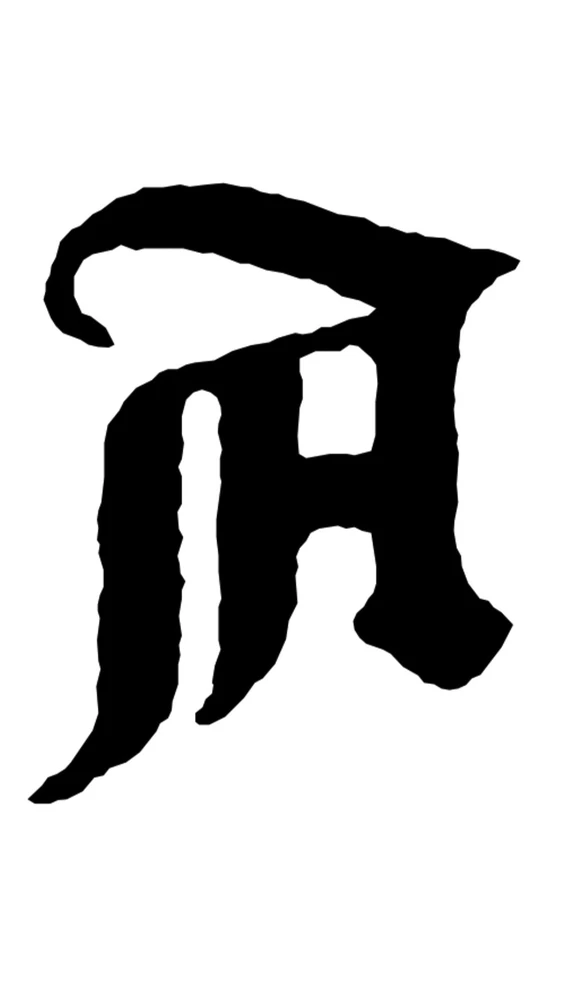
The drawing compresses three historical moments into one icon. A Gothic devotional figure remains at the centre; the cathedral rose expands behind it; and a single printed letter introduces the technology that changed the circulation of scripture. The title then pushes the whole image forward into the language of software and versions.
When a medium changes faith
Strasbourg is an unusually fertile place from which to think about technological change. Its cathedral offered medieval viewers an immense visual system of sculpture, glass, architecture and ritual. The western rose alone is almost fourteen metres across: a monumental image designed to work through light, scale and collective experience.
Read full historical context
When a medium changes faith
Strasbourg is an unusually fertile place from which to think about technological change. Its cathedral offered medieval viewers an immense visual system of sculpture, glass, architecture and ritual. The western rose alone is almost fourteen metres across: a monumental image designed to work through light, scale and collective experience.
Johannes Gutenberg then lived in Strasbourg from 1434 to 1444. Exactly how far his printing experiments had progressed there remains debated, but the city remembers those years as part of the development of typographic printing. In the decades that followed, Strasbourg became a major centre of print culture.
By the sixteenth century, printed Bibles, pamphlets and polemics helped accelerate the Reformation and the public contest over who could read, translate and interpret scripture. The technology served competing confessions; it did not belong to only one side.
Mary 2.0 asks whether artificial intelligence may become another such threshold. The question is deliberately open. AI can already generate, recombine, translate and imitate cultural material at extraordinary speed. What happens if systems capable of producing persuasive religious language and imagery become ordinary tools? Who then owns interpretation, authority, originality or revelation?
The title also carries an echo of Fritz Lang’s Metropolis (1927), where the human Maria is duplicated by the Maschinenmensch. The sacred mother, the mechanical double and the version number “2.0” are allowed to coexist without resolving into a single answer.
The rose
The west-front rose of Strasbourg Cathedral measures about 13.9 metres in diameter.
Gutenberg
Documented in Strasbourg from 1434 to 1444, before the famous Mainz Bible.
Maria / machine
In Metropolis, Maria is doubled by a machine made to take her likeness — a foundational image of technological imitation.
Building a rose by hand
The process was slow and extremely manual. Four stages are enough to show the logic: first the circular armature; then the Virgin and Child; then the repeated architectural petals; finally the denser outer ring that turns the rose into a luminous object cut from black.
View process & sketches
Building a rose by hand
The process was slow and extremely manual. Four stages are enough to show the logic: first the circular armature; then the Virgin and Child; then the repeated architectural petals; finally the denser outer ring that turns the rose into a luminous object cut from black.
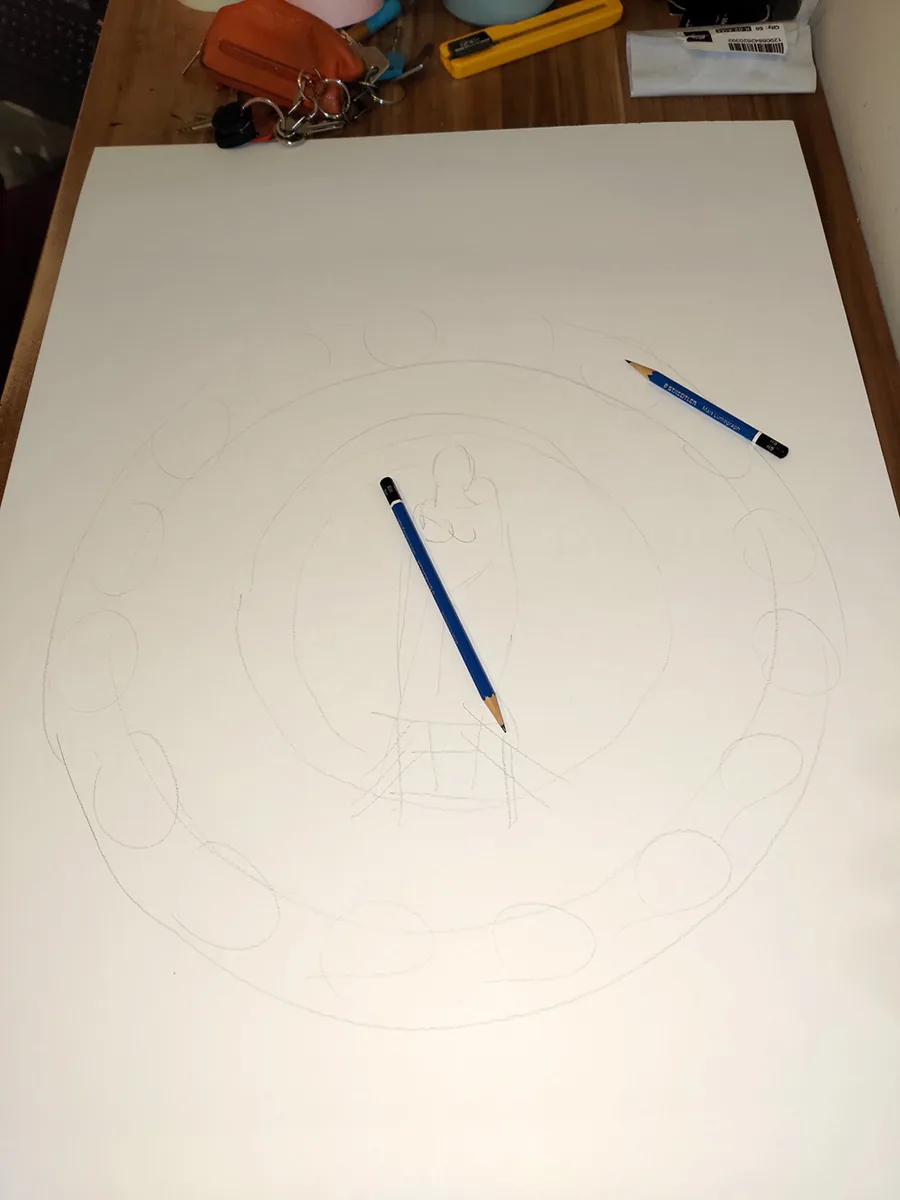
1 · The composition begins almost invisibly: concentric circles and a tiny central figure.
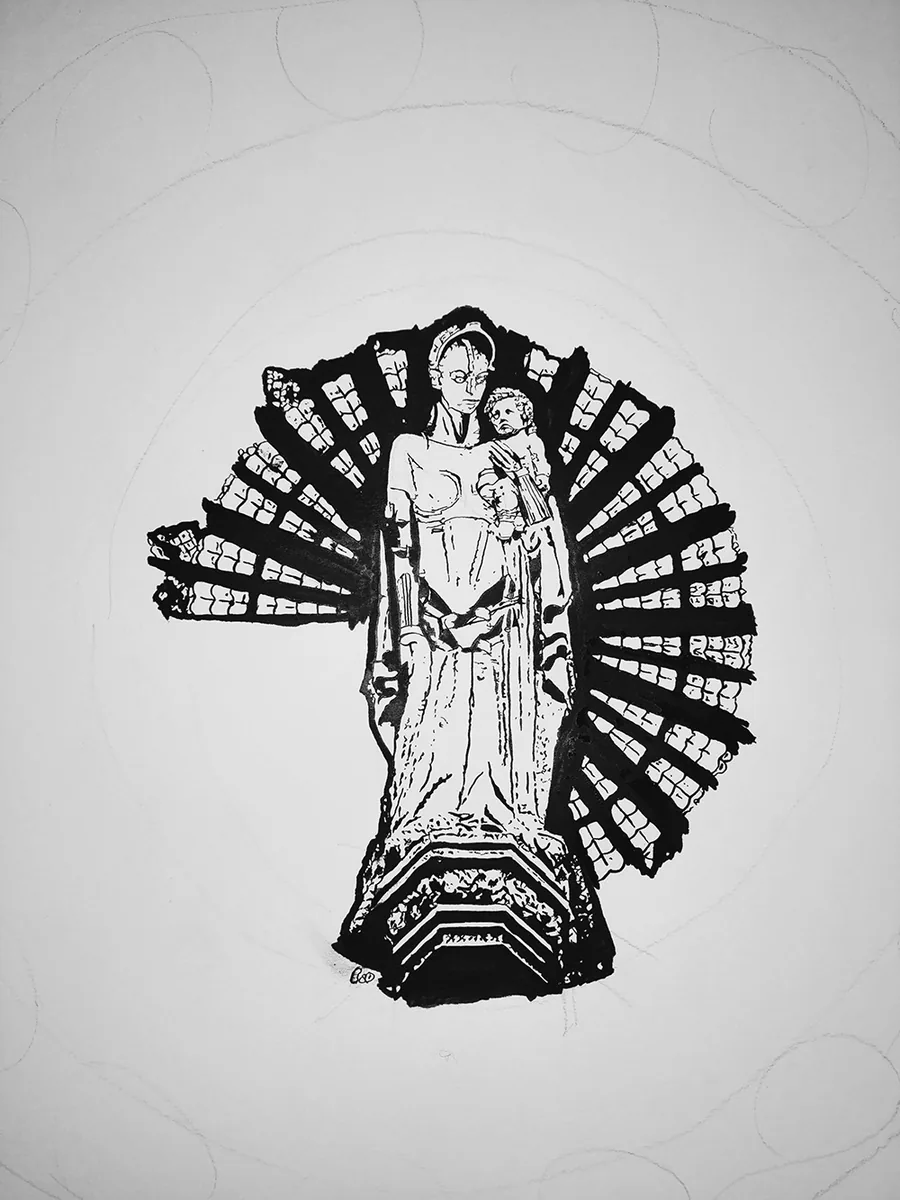
2 · The Virgin and Child are established before the window grows around them.
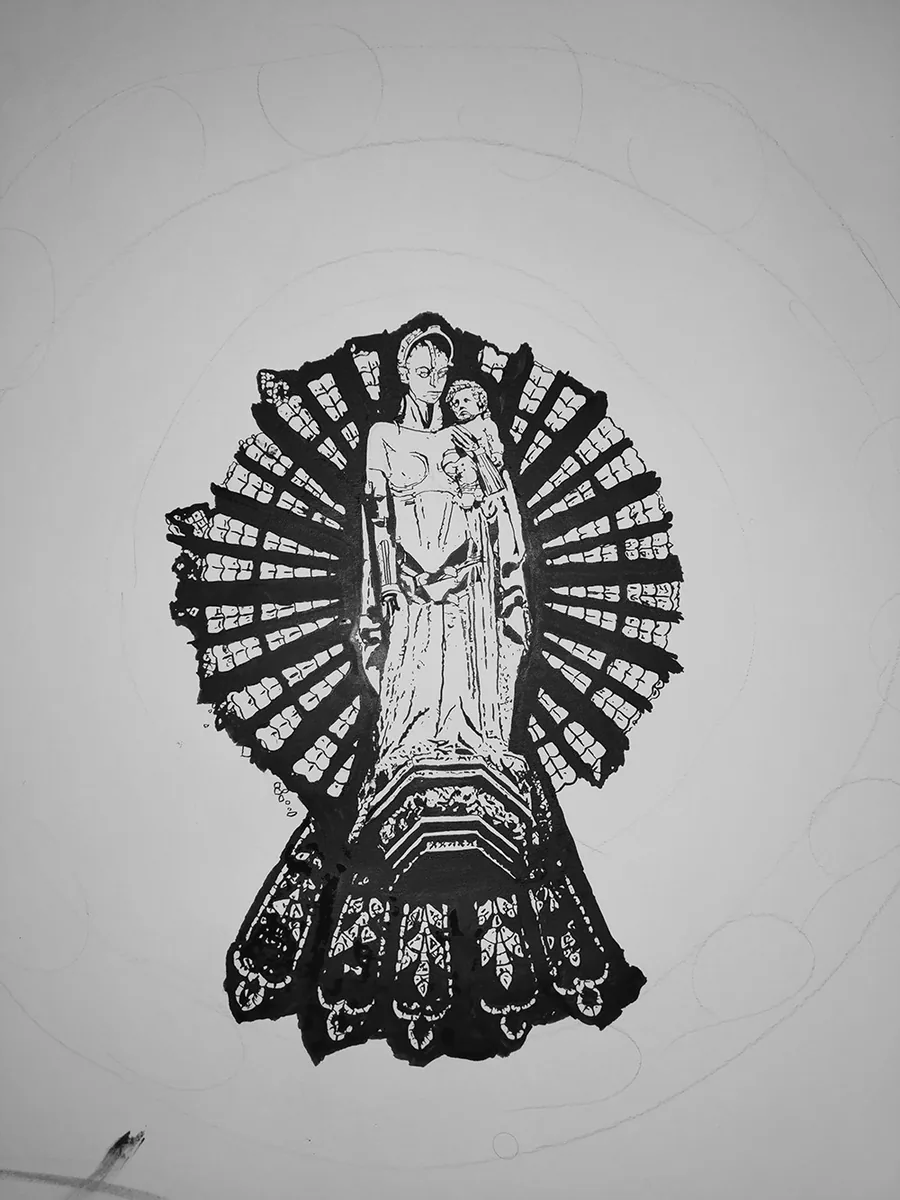
3 · Repetition creates the radiating Gothic structure and turns architecture into a halo.
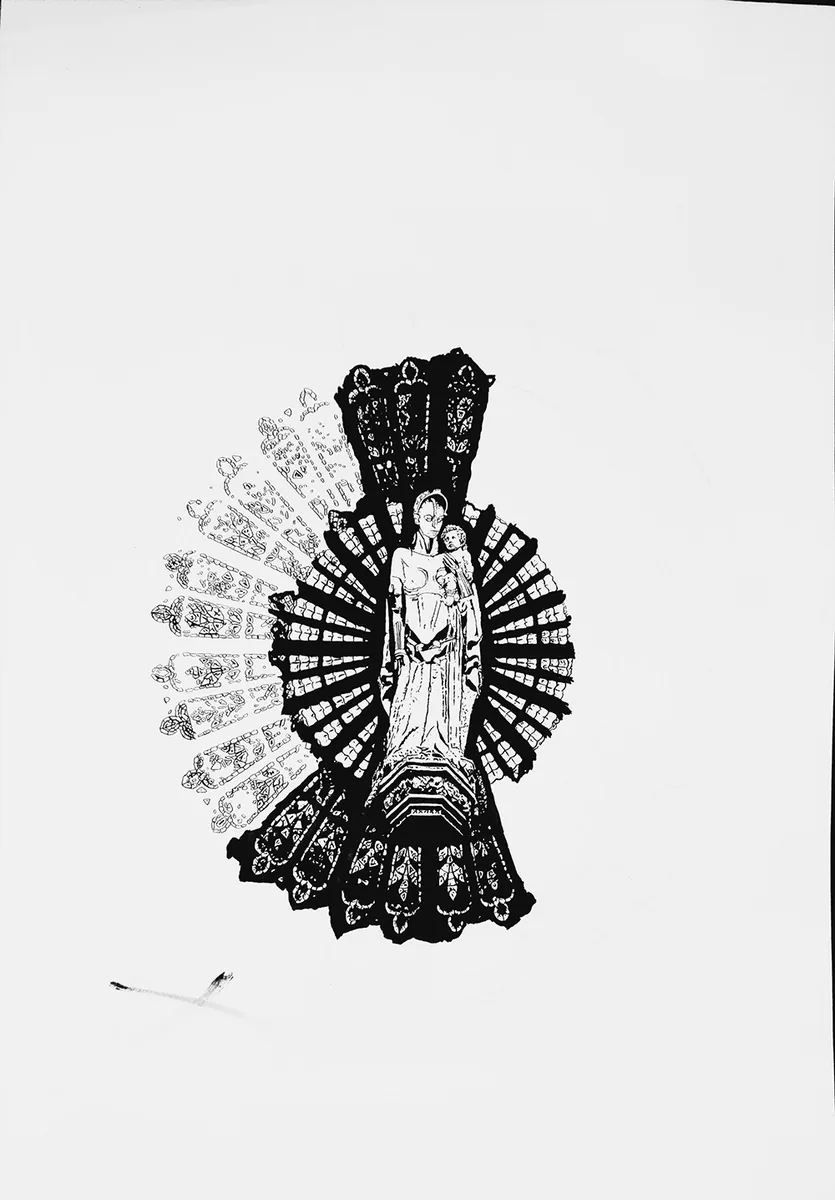
4 · The outer tracery develops as the final circle closes around the figure.
Teloglion, Thessaloniki
The original was shown among more than twenty works in Cities of Lost Memory at the Teloglion Fine Arts Foundation in 2024.
View exhibition history
Teloglion, Thessaloniki
The original was shown among more than twenty works in Cities of Lost Memory at the Teloglion Fine Arts Foundation in 2024.
At exhibition scale, the image changes character. From across the room the rose reads almost as a luminous circular emblem. Only on approach do the small figure, the tracery and the hand-drawn density become visible.
Mary 2.0 in print
The drawing returned, fittingly, to the technology at the centre of its own argument. A hand-printed lithographic edition was produced in 2024 by Bruno Robbe.
€250 · Brussels hand delivery by appointment · Elsewhere in Belgium & EU: €15 packaging/shipping · EU delivery only
Buy this lithographBrussels hand delivery · €250Strasbourg, print and technological doubles
View sources & further reading
Strasbourg, print and technological doubles
- Lost Memory Art, Mary 2.0 — the artist’s discussion of Strasbourg Cathedral, Gutenberg, AI and the conception of the work. Read online.
- Ville et Musées de Strasbourg — Gutenberg’s documented Strasbourg years, 1434–1444, and the city’s history of printing. Museum record.
- Visit Strasbourg — architectural guide to Notre-Dame Cathedral and its western rose. Cathedral guide.
- British Film Institute — Metropolis (1927), Maria and her machine double. Read online.