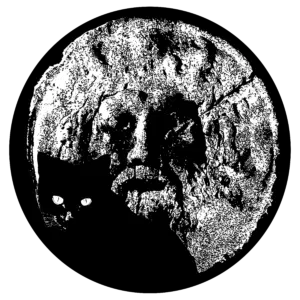
No Voice
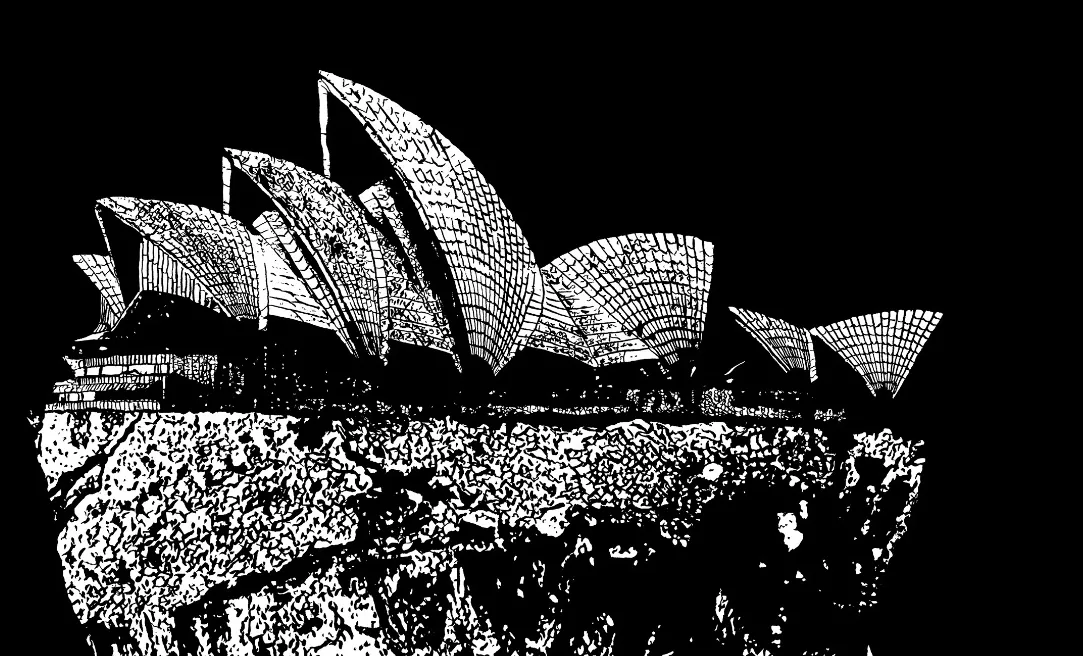
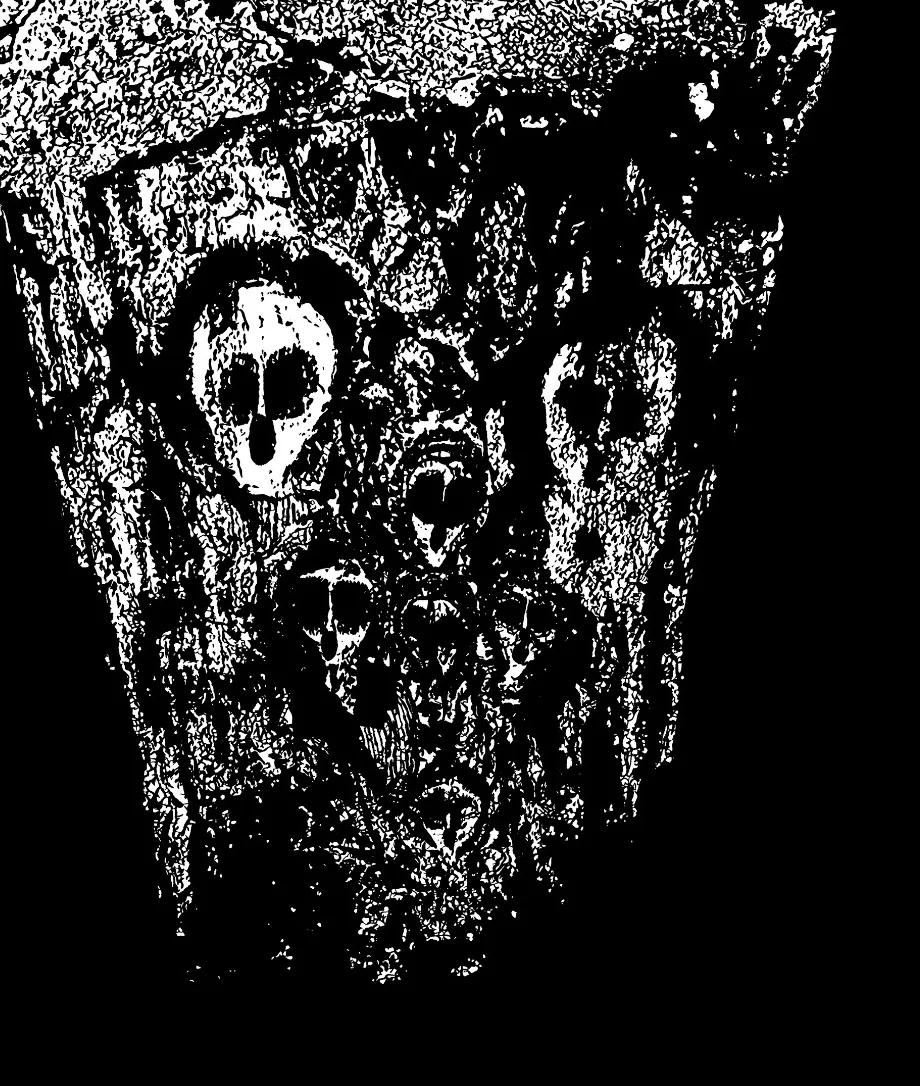
A celebrated national monument rises above a face that seems to emerge — and cry out — from darkness. No Voice was made after the referendum of 14 October 2023, when Australians rejected a proposal to enshrine an Aboriginal and Torres Strait Islander Voice in the Constitution.
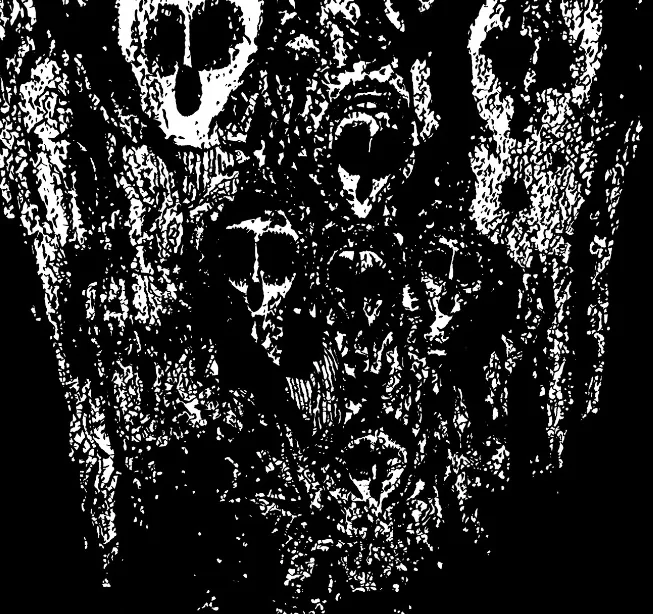
The image is deliberately compressed. The Sydney Opera House is instantly recognisable: modern, international, confident. Beneath it sits a much older visual presence, recalling Aboriginal rock-art imagery and a history measured not in decades but in tens of thousands of years. The question is not whether that history exists. It is whether the contemporary nation is willing to hear it.
The shock of October 2023
I was profoundly shaken by the referendum result. For decades, Aboriginal and Torres Strait Islander campaigners had argued that recognition required more than sympathy: it required a place within the constitutional and political structure of the country.
Read more
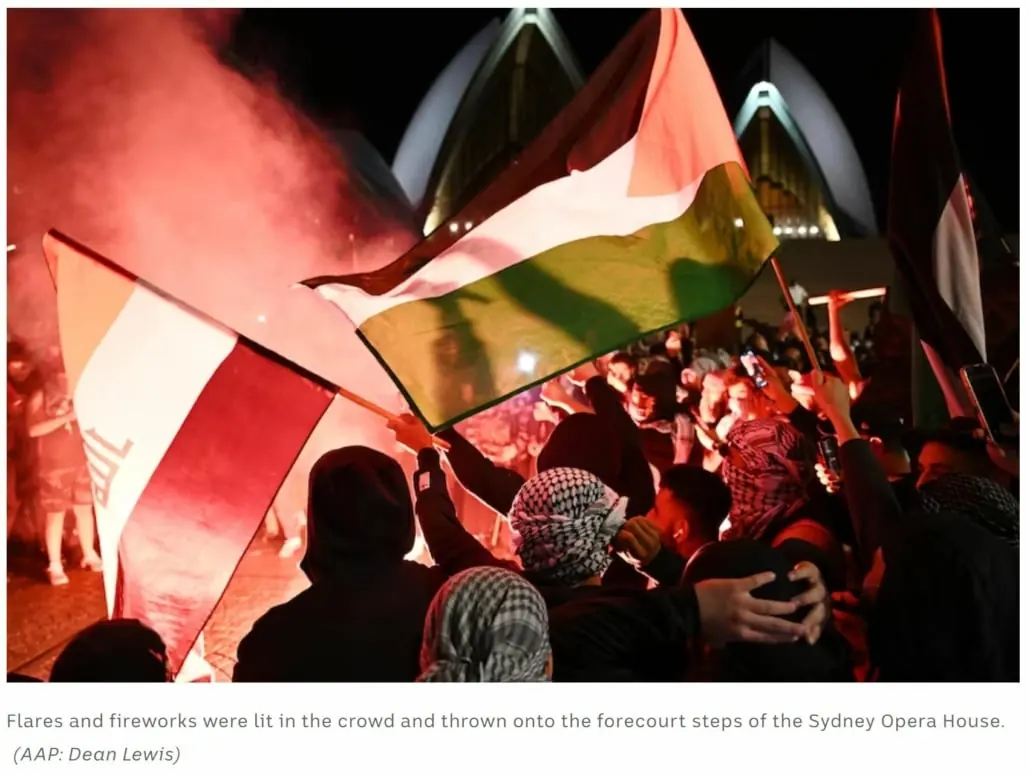
The shock of October 2023
I was profoundly shaken by the referendum result. For decades, Aboriginal and Torres Strait Islander campaigners had argued that recognition required more than sympathy: it required a place within the constitutional and political structure of the country.
The timing made the result feel even more brutal to me. Five days before the vote, the Sydney Opera House had become the scene of an angry pro-Palestinian demonstration, only two days after the Hamas massacre in Israel. At that moment the full scale of the killings was still being established, and Israel’s ground invasion of Gaza had not begun.
Watching from afar, I had the disturbing impression that Australia’s public space had been seized by a conflict thousands of kilometres away at precisely the moment when the country was about to decide how it would address its own unfinished colonial history. That perception — not a claim that one event caused the other — became part of the emotional origin of No Voice.
1967 → 2017 → 2023
The 2023 referendum did not appear suddenly. It belonged to a much longer history of campaigns over citizenship, federal responsibility, constitutional recognition, representation and treaty.
Read more
1967 → 2017 → 2023
The 2023 referendum did not appear suddenly. It belonged to a much longer history of campaigns over citizenship, federal responsibility, constitutional recognition, representation and treaty.
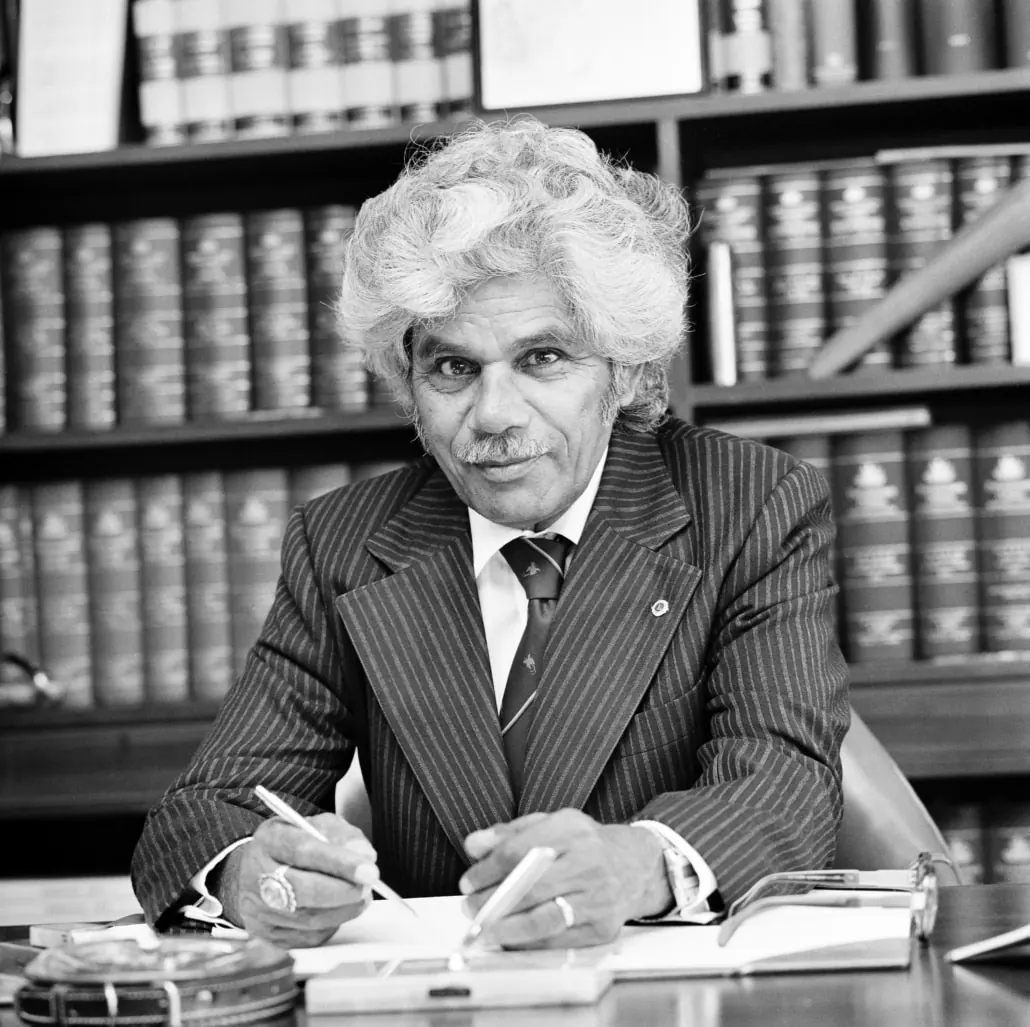
“Vote Yes”
Pastor Sir Douglas Nicholls was among the Indigenous activists who campaigned for the 1967 referendum. That vote carried with 90.77 per cent support and changed the Constitution so the Commonwealth could make laws for Aboriginal people and include them in population counts.
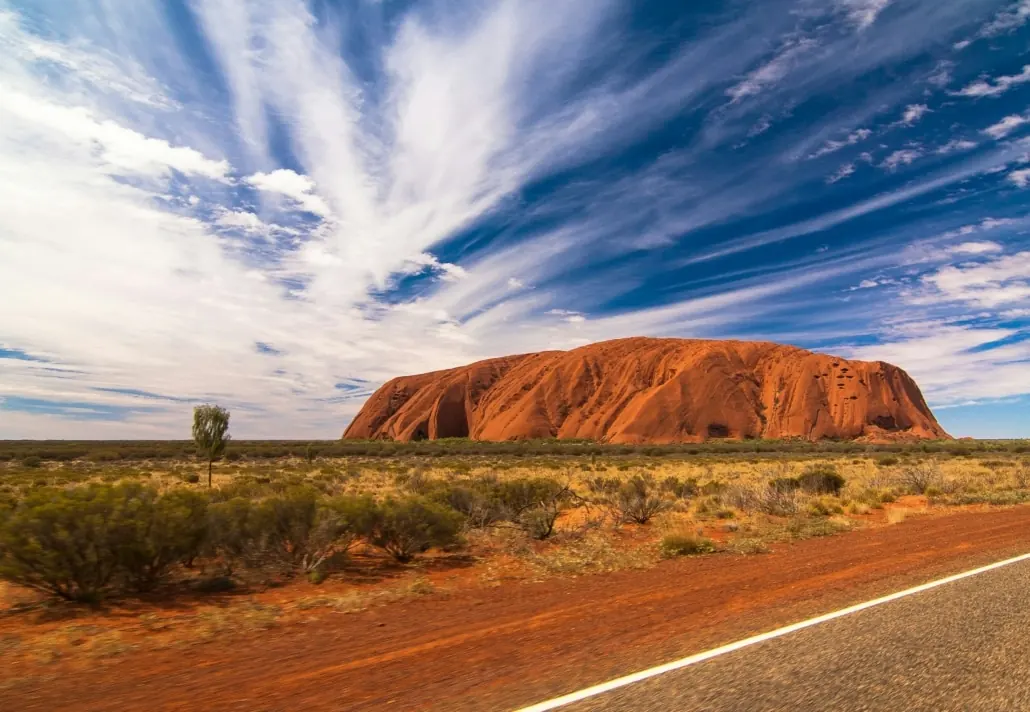
From the Heart
The Uluru Statement from the Heart called for a First Nations Voice protected in the Constitution and a Makarrata Commission to supervise agreement-making and truth-telling. It invited Australians to “walk with us” towards a different constitutional relationship.
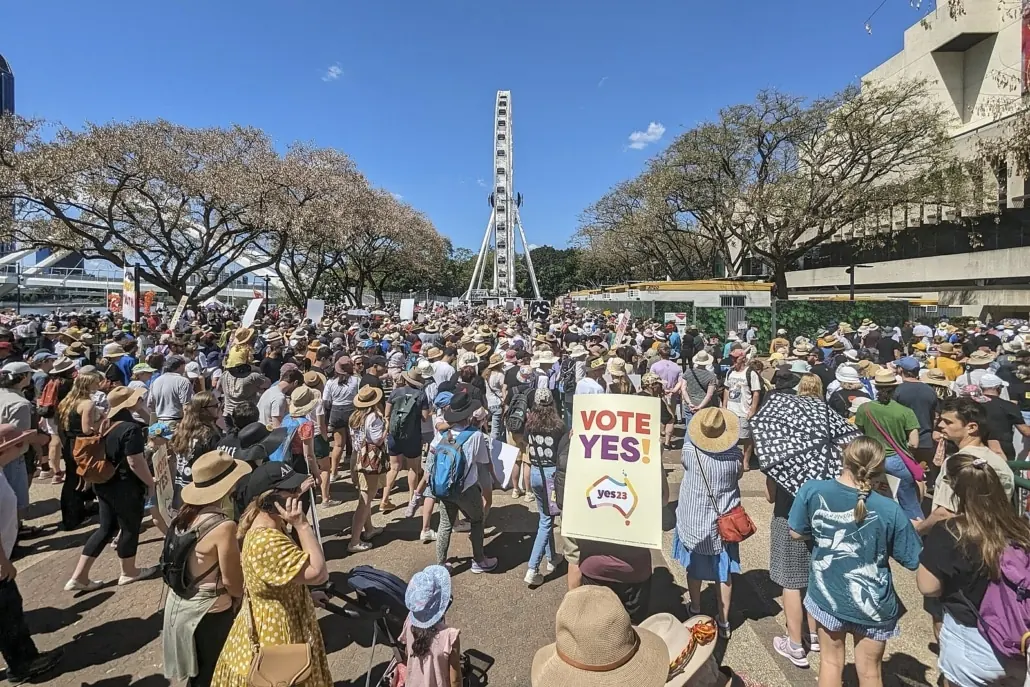
The referendum
Australians were asked to recognise the First Peoples of Australia by establishing an Aboriginal and Torres Strait Islander Voice. The proposal was defeated nationally and in every state.
Monument above, memory below
The drawing works through vertical hierarchy. The Opera House occupies the top edge like a crown or civic emblem. The older face beneath it is larger, but almost swallowed by black. Modern Australia is visible immediately; ancient Australia has to be looked for.
What the vote did — and did not — say
The referendum asked a precise constitutional question. The proposed amendment would have recognised Aboriginal and Torres Strait Islander peoples as the First Peoples of Australia by establishing a body — the Voice — able to make representations to Parliament and the executive government on matters relating to them.
Read full historical context
What the vote did — and did not — say
The referendum asked a precise constitutional question. The proposed amendment would have recognised Aboriginal and Torres Strait Islander peoples as the First Peoples of Australia by establishing a body — the Voice — able to make representations to Parliament and the executive government on matters relating to them.
The final national result was 39.94 per cent Yes and 60.06 per cent No. Under Australia’s referendum rules, constitutional change also requires a majority in a majority of states; the proposal failed in all six states.
Polling among Indigenous Australians did show majority support, but estimates changed during the campaign. A March 2023 YouGov survey found 83 per cent support or leaning Yes among its Indigenous sample; a later Resolve survey in late September and early October estimated support at 59 per cent. The honest conclusion is therefore not that “83 per cent of Indigenous Australians voted Yes”, but that the best polling evidence indicated majority Indigenous support, with the size of that majority uncertain.
For many supporters, the referendum was also inseparable from the broader sequence proposed in the Uluru Statement: Voice, Treaty, Truth. The Voice was not itself a treaty, nor would it have had a veto over Parliament. It was conceived as an institutional first step in a longer process of recognition, agreement-making and truth-telling.
1967
90.77% voted Yes in the referendum concerning Commonwealth powers and population counts.
2017
The Uluru Statement called for Voice, followed by a Makarrata process of agreement-making and truth-telling.
2023
60.06% voted No to the proposed constitutional Voice; 39.94% voted Yes.
From Brussels to Thessaloniki
No Voice entered the exhibition cycle soon after it was completed. Its first appearances were close to the referendum itself, before the image had acquired the distance of historical memory.
View exhibition history
From Brussels to Thessaloniki
No Voice entered the exhibition cycle soon after it was completed. Its first appearances were close to the referendum itself, before the image had acquired the distance of historical memory.
The new work was shown informally on an easel near the end of the Full Circle exhibition. It was not part of the formal 21-work checklist.
No Voice was formally included in Cities of Lost Memory, one of 23 works in the Teloglion checklist.
Referendum, representation and October 2023
View sources & further reading
Referendum, representation and October 2023
- Australian Electoral Commission — final national results of the 2023 referendum: 39.94% Yes, 60.06% No. Official results.
- Uluru Statement from the Heart — the 2017 statement calling for a constitutionally protected First Nations Voice and a Makarrata Commission. Read the statement.
- National Library of Australia — the 1967 referendum campaign, including Doug Nicholls and the Vote Yes movement. Campaign history.
- ABC News — reporting on the pro-Palestinian rally at the Sydney Opera House on 9 October 2023, including flares, antisemitic chants by some attendees and organisers’ condemnation of those chants. Contemporary report.
- RMIT / ABC Fact Check — Indigenous polling on the Voice, including the March 2023 YouGov figure of 83% and its methodological limits. Polling context.
The October 2023 protest belongs to the artist’s personal origin story for the drawing; it is not presented as an explanation for the referendum result.